News Stories

News First slide

FORMER GRTS DG MALICK JENG DIES

We regret to announce the passing of our former Director General, Malick Jeng. He passed away on Saturday morning at his residence. Mr Jeng has served with diligence and commitment as the D.G. of the State Broadcaster. He presided over the return of GRTS to satellite transmission. He equally worked to ensure GRTS covered major national and international events involving The Gambia.The late Malick Jeng was a devoted Muslim who was greatly concerned about staff welfare. A jovial and compassionate individual who treats the staff with so much respect and care. GRTS Management is saddened by the passing of Mr Jeng, who greatly contributed to the transformation of GRTS. Management extends its condolences to the family and the entire country and pray that Allah have mercy on his soul and grants him Janatul Firdausi. 

Continue Reading >>
News First slide

INFORMATION MINISTER HAILS GOVERNMENT'S EFFORTS TO RESHAPE RELATIONS WITH THE PRESS

The new Minister for Information Dr Ismaila Ceesay told journalists during the briefing that his ministry aims to renew commitment to the development of the media landscape to bolster relations between the press and the government.In a period of increasing misinformation and disinformation, the Ministry has also launched its website and social media handles. An initiative meant to boost the much-long-awaited access to information.Serving as the main mediator between the government and the public, the Information Minister said his ministry is committed to building the website of all other ministries – a strategic move to enhance relations with the media and chart a way forward for the government to communicate to the public. Access to information is a crucial component of a strong democracy building a strong, vibrant society that enables the media to deliver accurate and reliable information to the general public.Despite the lack of support from the government through subventions like other countries, the Gambian media plays a critical role in its drive to deliver accurate information to the public. Yankuba Saidy, the Deputy Permanent Secretary at the Information Ministry, said the government is working to ensure the media outlets are subvented to be able to sustain their operations. Since the country transitioned to democracy and good governance in 2017, the Barrow administration has registered significant progress in terms of strengthening press freedom. This press briefing is meant to reset relations between the government and the media.

Continue Reading >>
News First slide

WORKS MINISTER EMBARKS ON NATIONWIDE ASSESSMENT TOUR

The Minister for Transport, Works and Infrastructure, Ebrima Sillah is on tour to assess the level of progress of road construction projects across the country.In what was day one of his tour, the minister inspected works on the ‘Hakalang Road’ in Nuimi and other access roads in ‘Baddibu’ in the North Bank Region to access first-hand. The famous  ‘Hakalang Road’ linking communities in Upper and Lower Niumi, is an 84 km stretch that has already been completed according to contractors. The Minister said he was satisfied with the level of progress, and hoped that it would be completed within time. Several residents in the area who are the direct beneficiaries of the road expressed delight in the historic roads, describing them as a life-changing project for the people of Niumi. From ‘Niumi’ to ‘Badibou’ where the minister and delegation inspected the ‘Kerewan Njawara Access Road’ which connects 17 communities in the catchment area to the main highway. Day one of the tour climaxed with a visit to the Banni-Salikenni road. This particular project was awarded to a Gambian contractor. The Minister said he is equally impressed with the level of work done at 70 percent. The tour continues to the Central and Upper River Regions

Continue Reading >>
News First slide

CHINESE EMBASSY IN BANJUL PRESENTS CHEQUE FOR OVER 2M TO GRTS

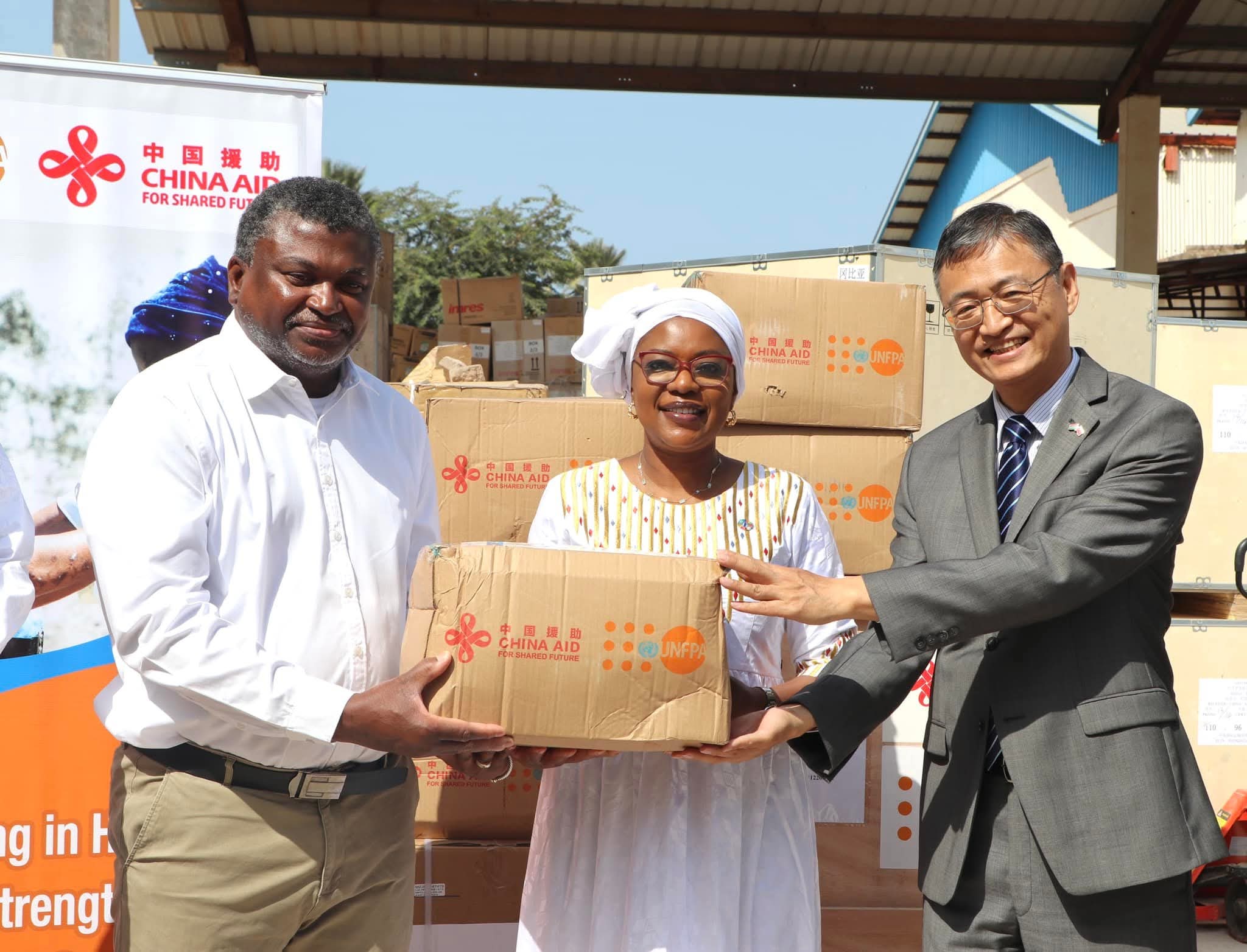
The Ambassador of the People's Republic of China to The Gambia, H.E Liu Jin, presented a cheque for over two million dalasi to the Gambia Radio and Television Services, for the purchase of cameras for the State Broadcaster.The gesture is in response to a request for support by the Director General of GRTS Abdoulie Sey ahead of the OIC Summit in Banjul.The Chinese ambassador H.E Liu Jin said the role of the media is crucial, especially GRTS being the State Broadcaster.The Chinese diplomat also described the OIC summit as an important platform to discuss international affairs and for Muslim leaders to share their perspectives on peace, unity, and fairness across the world.The newly appointed Minister for Information Dr Ismaila Ceesay, who was in attendance, emphasised the need for a complete transformation of GRTS from equipment to staff welfare, amongst others.Minister Ceesay used the opportunity to thank China for being supportive of The Gambia and Africa at large, citing infrastructural projects like the Sir Dawda Kairaba Jawara International Conference Centre built to the tune of 50 million dollars thanks to China.Director General Sey commended China for their timely intervention and continuous support towards GRTS' transformation. He further stated that the government of The Gambia under the leadership of H.E Adama Barrow, has strongly promised to support GRTS towards the coverage of the OIC Banjul summit, thanks to the intervention of the new Information Minister Dr Ismaila Ceesay. The Organisation of Islamic Cooperation (OIC) is the second largest inter-governmental organization with a membership of 57 states spread over four continents. The 15th Heads of State and Government Summit will be held in The Gambia from 4th to 5th May 2024. GRTS as the National Broadcaster has been handed the lead role of covering the events live and providing feeds for international channels.

Continue Reading >>
News First slide

FROM DATA TO IMPACT: THE DIGITAL TRANSFORMATION OF THE GAMBIA’S SOCIAL REGISTRY

In a concerted effort to address social issues and provide targeted assistance to vulnerable families, the National Social Protection Secretariat in The Gambia has implemented a comprehensive social registry system. This innovative approach harnesses the power of data to identify and support those in need, ensuring that assistance is directed where it is needed most.The National Social Protection Secretariate is the custodian of the Registry under the authority of the National Coordinator, it serves as a dynamic database containing valuable information about households across the country. Its primary goal is to identify vulnerable families and individuals, allowing for more precise and effective social interventions.The Gambia Bureau of Statistics handles the data collection, it is responsible for garnering data and supervising the process, this meticulous approach aims to create a reliable and up-to-date Social Registry, serving as a valuable resource for social service providers and policymakers.‘The data collection for The Gambia Social Registry follows a census approach – covers all households in the areas we have covered. The exercise is led by The Gambia Bureau of Statistics. The First phase covered 30 districts initially and then 6 additional districts (36 in total). The second phase covered 4 districts All Regions (URR, CRR, NBR, LRR, and WCR) are covered now; only KM and Banjul are left.’ Momodou Dibba, National Coordinator, National Social Protection SecretariatThe Gambia Bureau of Statistics (GBoS) employs advanced technology in data collection through Computer-Assisted Personal Interviews (CAPI) for the GamSR project. This data is then seamlessly migrated into the Social Registry Information System (SRIS), a purpose-built platform designed for secure storage, updates, and efficient querying.Ensuring a robust shield of data protection, SRIS incorporates sophisticated user privilege management and comprehensive access control mechanisms. Committed to upholding the highest standards, these security features safeguard the confidentiality and integrity of the data, aligning with leading practices in data management and security.Collaboration is also a cornerstone of the initiative, with the National Protection Secretariat working closely with other government agencies, non-profit organizations, and community leaders. This collaborative effort enhances the overall effectiveness of social interventions, creating a holistic approach to addressing the diverse challenges faced by vulnerable populations.The social registry under the social safety net project, funded by the World Bank, is a vital component of the government’s commitment to providing effective social protection for the most vulnerable populations in The Gambia. By collecting precise data on extremely poor households, stakeholders can design targeted interventions such as the Nafa cash transfer to alleviate poverty and improve living conditions. One of the key strengths of the social registry lies in its ability to collect and analyse data on various socio-economic indicators. By understanding the specific needs and challenges faced by different households, the National Protection Secretariat can tailor its support programs to address those issues directly.“The Nafa Cash transfer has really helped ease my financial challenges, my family benefited significantly from the program. -Ebrima Gibba, Nafa Program beneficiary. The utilization of data in the social registry has already yielded positive outcomes according to officials. Targeted interventions, such as financial aid, healthcare support, and disaster support, have been deployed to families identified as particularly vulnerable. This approach ensures that resources are allocated efficiently, maximizing the impact on the lives of those facing socio-economic hardships.According to the National Social Protection Secretariat, it is committed to upholding the privacy and security of the data collected. Stringent measures are in place to safeguard the information, ensuring that individuals' personal details are treated with the utmost confidentiality.‘The data that we collect is based on the informed consent of the people. Following the field data collection and cleaning by the Gambia Bureau of Statistics, the data is submitted in an encrypted format to the National Coordinator of NSPS. At the Secretariat, it is only the Social Registry Manager and Data Analyst who has access to the dataset because they work on it to make it available to programs.’ ‘These officials operate based on prescribed rules and guidelines stipulated in a Data Sharing Protocol we developed with technical support from WFP which is based on the Data Protection and Privacy Policy of 2019. Anytime, we share data with programs, we sign an MoU that places certain obligations on the receiving agencies/programs in terms of protecting the data from misuse, unauthorized third-party access, or anything incompatible with the purposes for which the data was given. Momodou Dibba, National Coordinator, National Social Protection Secretariat.’ By seamlessly integrating digital solutions, such as cloud-based storage and secure data transmission protocols, the social registry system can unlock new levels of efficiency, accessibility, and security. This strategic leap will not only safeguard the privacy of collected data but also streamline the process of sharing valuable insights with stakeholders. As The Gambia continues its commitment to social protection, the incorporation of Digital Public Infrastructure is poised to catalyse a more impactful and technologically advanced era in targeted social interventions, underscoring the government's dedication to the well-being of its citizens.

Continue Reading >>
News First slide

RISE IN IRREGULAR MIGRATION FORCES STAKEHOLDERS TO DIALOGUE FOR WAY FORWARD

Irregular migration is an alarming reality that calls for a united response. This, as many of our youths continue to dare the vastness of the dangerous seas and the harsh Sahara Deserts at huge human, financial, and material costs to the country.The recent surge in the number of youths undertaking such perilous adventures and the alarming loss of lives have generated massive responses from the government and ordinary people alike.Thus the need for this first-ever ‘National Dialogue on Migration’ which brought together key stakeholders, including Mamadou Tangara Gambia’s minister for foreign affairs, Sering Modou Njie, defence Minister, Siaka Sonko, Interior Minister and Abubakarr Suleiman Jeng, National Security Adviser, for a two-day convergence.Governors, ambassadors, senior government officials, community representatives, and international partners were also in attendance.The dialogue which is ‘themed on building national consensus on migration interventions’, was organized by the Gambia YMCA and TANGO, in partnership with the International Organisation for Migration and the Ministry of Foreign Affairs, International Cooperation and Gambians Abroad.The forum provided participants representing various regions and communities mainly along the coastal regions to participate in shaping interventions geared towards addressing the root causes of irregular migration.Mamadou Tangara, Gambia’s Foreign Affairs Minister, said the dialogue is timely. ‘The urgency of this gathering cannot be overstated. Irregular migration has claimed the lives of many of our young ones, leaving families shattered and communities in mourning.’The objective of the convergence is to enable all the players to frankly discuss best practices, and challenges and forge a national framework for comprehensive migration intervention which will address the immediate crisis, and cater to the growing demand for youth empowerment.Migration has been a complex phenomenon influenced by social and economic factors in Gambia. With the advent of smugglers using boats that ventured through the high seas, curbing the menace has been a major challenge for stakeholders.‘The surge of young people taking the perilous journey has had serious implications on their communities and the country at large.’ Abubakarr Suleiman Jeng, National Security Adviser, said.‘We remain committed to undertaking all necessary action to provide job opportunities for our young people, intending to address the root causes of irregular migration in the Gambia.’ Jeng addedMusa Camara, Director of Migration and Diaspora Affairs, said the government is working on a series of bilateral agreements geared towards creating more regular pathways to curb this menace. ‘The government through the Foreign Affairs Ministry is on the verge of signing labour agreements with Spain and Italy. We have plans to engage Germany also, which has a labour shortage of over one million’, He said.Alagie Jarju, the Executive Director of the National Youth Council said as stakeholders, they have implemented so many activities together with their partners, including providing information to ‘thousands of young Gambians on the risk of irregular migration and the opportunities that exist in the Gambia.’He further called on youths to renew their hopes of making it in the Gambia rather than embarking on the risky journey.‘To the young person that thinks it is only possible outside of this country, please look within your society, how many Gambians can you see as examples that have not moved beyond the West African Sub Regions and are today successful.’During the two-day dialogue, participants were divided into seven thematic groups to look into several areas like employment, security, and border management, among others, and also answer questions on the current state of migration, gaps and challenges, and management mechanisms.During their presentations, the majority holds the belief that irregular migration has been on the rise, and low wages, limited job opportunities, lack of awareness, and peer pressure are among the root causes.In their resolution, they recommend that the government create more employment opportunities for the youths, with a key focus on investment in technical and vocational education and training. Also, to engage in bilateral labour agreements with European countries to create more regular pathways.The convergence also recommends more sensitization about the dangers of irregular migration and calls on families and communities to desist from supporting trips, financially or failing to report departures.Increasing the budget for Youth and Sports was another major cry as the youths constitute over 60% of the Gambia’s population. The 2024 estimated budget for youth and sports is one hundred and twenty-two million, three hundred and ninety-five thousand dalasi.They also put forward that communities should closely collaborate to campaign against smuggling. Also, they called for a proactive approach to curbing the menace, tasking the government to take the lead role in organising national migration dialogue annually.These among criminalising smuggling and a host of other resolutions were agreed upon by the gathering and are set for submission to the executive for consideration.  2023 has seen an unprecedented rise in irregular migration, especially through the sea. Foday Gassama, Commissioner for Migration Management at the Gambia Immigration Department, said, within 2023, they have responded to ‘29 cases’ of planned departures across the coastal beltsThat number is different from the successful departures that have taken place. Two boats that departed from Kartong in Kombo South, West Coast Region, on the 14 and 19 October 2023, went missing, until recently when reports came out that the boat that left on the 14th capsized in Mauritania sea without a single survival. On board that boat, included 41 youths from Jamburr and 27 from Kartong, among others.There is still no trace of the boat that departed on 19 October. According to relatives of the would-be migrants on board, the vessel, it carries 147 people, including three pregnant women. 47 of the people on board all hailed from Gunjur in Kombo South, where the trip was organised.Historically, migration has underpinned economic development and nation-building. Enrich cultures and help civilization to strive. Recently, it has been turning those dreams of some people taking irregular means into tragedies.Unless a holistic approach is taken and actions spring out from dialogues like this, curbing the menace of trafficking will continue to be a nightmare.

Continue Reading >>
News First slide

GAMBIA MULLS OVER THE ADOPTION OF SMART TRANSPORTATION

In the evolving landscape of transportation, the concept of smart transportation is gaining traction worldwide, smart transportation leverages digital technologies to optimize and enhance the efficiency of urban mobility.African countries like Kenya are pioneering innovative solutions that redefine the way people move, platforms like Uber have revolutionized traditional taxi services by allowing users to conveniently order rides through a mobile application. This shift not only provides a seamless experience for commuters but also improves the overall efficiency of transportation networks.In Gambia, citizens face formidable challenges accessing transportation, leading to increased hardships in daily commuting. Insufficient infrastructure, limited public transportation options, and economic constraints contribute to a struggle for many Gambians seeking reliable means of travel.The inadequate road network in some regions exacerbates transportation difficulties, with poorly maintained roads and lack of proper signage hampering smooth traffic flow. This not only prolongs travel times but also poses safety risks to commuters.Some frequent road users lamented the difficulties they face while navigating the daily traffic.‘I wish I would be able to order a taxi or Uber from any location and not have to struggle to board a loaded bus, van, or taxi every day, we are in a digital era, and by utilizing it, life will be much easier’-said Fatou Njie, a commuter As the Gambia strives for progress, considering the adoption of smart transportation systems becomes imperative, according to Ebrima Colley, Deputy Permanent Secretary-Technical at the Ministry of Transport, Works, and Infrastructure, before the implementation of smart transportation in the Gambia’s national transportation system, several key strategies need to be taken into consideration to ensure successful planning, deployment, and integration.The Gambia stands to benefit significantly from embracing Digital Public Infrastructure. By introducing similar services, the country can address challenges related to traffic congestion, reduce environmental impact, and enhance the overall commuting experience for its residents, therefore, without smart transportation, Public transportation remains limited, primarily relying on informal modes like shared taxis, vans, and minibuses.However, concerns linger regarding the compatibility of smart transportation with the country’s road infrastructure. The unpredictability of these services leaves citizens grappling with inconsistent schedules and overcrowded vehicles, making the daily commute a time-consuming and uncomfortable experience.According to the Ministry of Transport, swift actions are underway to change the current status quo.‘Currently, The Government of the Gambia is focused on improving Infrastructure Development requirements such as roads, energy and ICT. By investing in the necessary physical and digital infrastructure, this will ensure that the infrastructure can support the deployment of technologies such as connected vehicles, sensors, and smart traffic control systems.’ _Deputy Permanent Secretary-Technical, Ministry of TransportThe convenience of on-demand transportation services, coupled with the integration of digital payment methods, contributes to a more connected and accessible urban environment.As the global community increasingly gravitates toward smart transportation solutions, the Gambia has the opportunity to position itself at the forefront of technological advancements in the transportation sector. By learning from successful implementations in countries like Kenya, the Gambia can create a modern, efficient, and user-friendly transportation system that meets the evolving needs of its citizens.

Continue Reading >>
News First slide

PRESIDENT BARROW DISCUSSES DEVELOPMENT WITH DIPLOMATS IN SAUDI

On the sidelines of the Saudi-Africa Summit, several Saudi dignitaries called on His Excellency Adama Barrow in Riyadh, Saudi Arabia, to discuss bilateral and other diplomatic issues of mutual concern to their institutions and The Gambia.In his first engagement on Thursday, 9th November 2023, the President held an audience with the Islamic Development Bank Group Chairman, H.E Dr Mohammed bin Sulaiman Al-Jasser. President Adama Barrow commended the Bank for the magnificent support provided to his Government, from the construction of the University of The Gambia Faraba Banta Campus to the Bertil Harding Highway and other flagship projects.In acknowledging the ISDB Group's significant contribution to the country's development, President Barrow described the Bank as a "valued partner" towards realising his dream and vision for The Gambia.In augmenting its great support to The Gambia, the Islamic Development Bank Group commits to extending and expanding another much-needed road infrastructure project in the Great Banjul Area.President Adama Barrow, in appreciation, thanked the IsDB and said, "The extension of the Bertil Harding Highway to Kafuta and an additional bypass bridge at the Sukuta Traffic Light Junction are highly welcomed projects." He also urged the Bank Chairman to explore the funding possibility of the bypass road from Banjul to the airport through a Public Private Partnership arrangement.The IsDB Group Chairman, Dr Mohammed bin Sulaiman Al-Jasser, said the Bank showcased The Gambia as a success story in its portfolio because of the flagship projects such as the University of The Gambia and the Bertil Harding Highway achieved under what he called "the excellent leadership" of President Barrow. He added that the Islamic Development Bank is willing to collaborate with The Gambia to bring about more national development and prosperity for Gambians.In another engagement, President Barrow received the Saudi Minister of Environment, Agriculture, and Water Resources, H.E. Abdulrahman Al-Fadhli, and discussed bilateral cooperation and partnership in areas to strengthen food security and access to clean water in The Gambia.President Barrow invited the Saudi Minister to cooperate in Agriculture investment and water resources, emphasising his Government's determination to provide Gambians with accessible and clean drinking water and enhance food security.Minister Al-Fadhli welcomed the President's invitation and pledged his Ministry's willingness to send an Agriculture investment mission to The Gambia and have bilateral cooperation with The Gambia's Ministry of Water Resources. He offered to support the Ministry in sending a mission to study the Kingdom's Water Management System for production and distribution.In his final engagement on Thursday, President Barrow held an audience with the Secretary General of the World Assembly of Muslim Youth - WAMY, Dr Saleh bin Sulaiman Al-Wohaibi. They discussed the plight of Muslim Youths, who form about 60% of the Muslim population, and the need to provide skills for the youth through education and social amenities in their environment.President Barrow took the opportunity and thank WAMY for its work in The Gambia in providing wells, mosques, and scholarships to students. It also supports the needy during Muslim festive periods with foodstuff.Dr. Al-Wohaibi said they are willing to support the needy through charitable acts as prescribed by Islam and mentioned that they will continue to do so with the support of their financiers and the appreciation of beneficiaries. In the Gambia, WAMY is also partnering with the Fatoumatta Bah- -Barrow Foundation - FaBB to complement the Government's effort to provide social amenities in communities. 

Continue Reading >>
News First slide

DIGITALIZING HEALTHCARE: The Gambia Advances Implementation of Health Insurance Scheme

Inadequate medical infrastructure, a shortage of health care resources and limited access to essential health services have left many Gambians without the quality healthcare they deserve.Numerous African nations facing health sector challenges, have adopted digital public infrastructure as a means to alleviate inadequacies impeding healthcare through digital solutions. In a landmark move, the Government of the Gambia embraced digital transformations to enhance healthcare services, with the intention to make healthcare more accessible and efficient for all Gambians. This initiation of The Gambia's National Health Insurance Scheme (NHIS) which carves an ambitious promise to cover the entire population, is a significant step in the country's pursuit of Universal Health Coverage (UHC).“The systems all along had been manual process and then we have challenges along the line, this includes data coalition, archiving the data, retrieving the data from the database is also a problem, so if the people misplaced their certificates, we find it difficult to retrieve the certificates.”-Lamin Fatty, Registrar, Birth & Death, Ministry of Health The journey towards realizing the vision of the NHIS reached a critical milestone in 2021 when the National Assembly passed the National Health Insurance Bill into law. This significant achievement was followed by the crucial approval of the  President H.E Adama Barrow, solidifying the NHIS as a vital element in The Gambia's healthcare landscape. The health insurance scheme which will record citizen data, enables policyholders to access healthcare services, make appointments, and access medical records remotely. After the mass campaign, thousands of citizens particularly families stormed registration centers to get registered for the insurance scheme.“I don’t know much about the scheme, but I am optimistic it will ease most of the challenges we go through just to have access to health care. I have registered and am now looking forward to enjoying the benefits.” ~Bintou Sillah, citizen. According to officials, digital birth registration and health insurance membership will reduce healthcare costs for citizens. Over a million have registered, but thousands still have doubts about the scheme's viability, the health sector still has work to do to get more citizens to register amid widespread skepticism. The NHIS aims to significantly reduce waiting times and bureaucratic hurdles that have historically impeded timely access to healthcare services.“We are working with the World Bank to ensure that everything goes well, all the plans are being laid. We are yet to launch, for now all the institutions have been set up, all the mechanisms have been put in place so that it will be effective “~Dr.Mustapha Bittaye, Ministry of Health With funding from the world bank, the ministry is also tapping various means to fund the long term project. Few months ago, stakeholders from various institutions led by the Vice President and health minister assembled to discuss strategic ways to mobilise funding opportunities for the scheme. The NHIS has fortified its digital infrastructure with robust cybersecurity measures to ensure the confidentiality. Data security and privacy are paramount in this transformation, a sophisticated software is built to confirm and regulate wrong data. Scores of people registered for the digital birth and insurance scheme, but the benefit is yet to come there way and for many who are keenly anticipating its arrival, the development signals a new dawn easing access to viable and affordable healthcare services if fully implemented.

Continue Reading >>
News First slide

KUNTA KINTEH FERRY ON BREAKDOWN MAINTENANCE

PRESS RELEASE The Ferry Service Management wishes to inform the general public that the Kunta Kinteh Ferry will be witndrawn for breakdown maintenance for at least 48 hours with effect from Tuesday, 8th August 2023.Meanwhile, Kanilai Ferry will be deployed to provide minimal service. Efforts will be made to restore Kunta Kinteh Ferry, and Management wishes to apologize to the travelling public for any inconvenience that this disruption in service may cause. GFSC MANAGEMENT

Continue Reading >>
News First slide

PRESIDENT BARROW CALLS ON LAWMAKERS TO UNITE FOR EFFECTIVE DELIVERY

The Gambian leader made the remarks in his State of the Nation address for the 2023 legislative year at the assembly chambers where he addressed the condition of the country and outlined the government's policies.President Barrow said disunity is a threat to progress.‘The critical factor that threatens peace and development most is disunity. We may belong to different political parties, religious faiths, or other social groupings, but we must unite as a nation to realise our national targets.’‘Honourable Members, while discharging your duties, I urge you to dialogue and initiate bi-partisan collaboration in a positively democratic manner. This would allow you to table issues not exclusively from political party perspectives, but from genuine patriotic standpoints and through the people’s lenses.’ He said.The Head of State further said the core mandate of the Executive, the Legislature, and the Judiciary are ‘interlocked’ thus requiring them to work together.‘Once we have a common goal, such as the development and progress of the people we serve, there will always be the need to unite.’The president said the legal frameworks, policies, and programmes developed and mentioned in his address are relevant and good enough to guide the people to success. But, ‘the Assembly and the public have a facilitating role to play in their implementation process.’He promised to serve the country with a ‘clear conscience, vision, and realistic development plans and programmes.’

Continue Reading >>
News First slide

PRESIDENT BARROW OUTLINES GOVERNMENTS’ ACHIEVEMENTS AND PLANS

His Excellency Adama Barrow delivered the 2023 state of the nation address outlining his government’s achievements and national development plans, spurring sustainable growth and economic stability.During a marathon address before a fully packed Assembly of deputies, senior government officials and the diplomatic corps, President Barrow revealed insights into his government's plans for the coming year, outlining some major breakthroughs attained over the past years.The president said despite the challenges caused by the Covid-19 pandemic and the Russia-Ukraine war, the Gambia’s economy registered impressive development in all forms, with robust economic fundamentals directed at maintaining sustained levels of positive growth and price stability.Dilating on various sectors, policies and national programmes, the Gambian leader said his government is committed to supporting farmers.‘The Ministry of Agriculture has initiated The Gambia Incentive-based Risk Sharing and Agricultural Lending Facility Project to improve access to finance by de-risking lending to the agriculture sector.’‘The project will collaborate with financial institutions to avail farmers and value chain actors of the needed finance for a transformed Food System.’ He said.He underscored the defence Ministry’s development of the first ever defence policy, while highlighting focused efforts to empower women.‘The Women Enterprise Fund introduced in 2020 has benefited more than 93,000 women entrepreneurs, with D68 million disbursed to 628 Women Groups. The recovery rate during the past three years stands at 75% and 53%, respectively, for the first and second disbursements. In 2023 about 550 women groups will be reached countrywide through the same arrangement.’The president’s state of the nation address further noted the government's success in building key sectors such as education with more schools and trained teachers responding to the increasing enrolment in all levels of the education system alongside scholarship opportunities.On crime and security, The Gambian leader revealed the drastic reduction of crime in the first quarter of 2023 compared to 2021 and 2022, outlining corresponding efforts to strengthen and indigenize the judiciary and justice system.The President further highlighted major headways in energy and infrastructural development citing the numerous road constructions registered by his administration. He said NAWEC is being restructured to improve services as the government continues to subsidize fuel prices to respond to rising global fuel prices.Reacting to the president’s speech, Alhagie S. Darboe the minority leader said the president should be commended for appearing a little earlier compared to the previous year.‘The president’s address should come in the first quarter of the year so the deputies can be well informed on the issues and address them. This time it came in the second quarter, but we will keep pushing so it can be delivered in the first quarter.’Deputies are expected to deliberate on the president’s address in subsequent parliamentary sittings. Muhammed B.S Jallow the vice president will represent the president to answer questions. Cabinet ministers will also appear on separate days to take questions regarding their various ministries.During subsequent assembly deliberations, bills and motions will be presented to the legislature for enactment alongside treaties and international agreements scheduled for ratification.

Continue Reading >>
Latest Updates

News First slide

PRESIDENT BARROW RECEIVES ATAF DELEGATION, HAILED AS MODEL FOR TAX REFORMS

President Adama Barrow on Thursday received officials attending the annual African Tax Administration Forum Masterclass at State House.The delegation was led by the Commissioner General of the Gambia Revenue Authority, Yankuba Darboe, who briefed the President on the objectives and outcomes of the three-day meeting in Banjul. The Masterclass brought together tax administrators from across Africa to deliberate on tax administration, revenue collection, and the challenges and opportunities facing the continent.Speaking to reporters after the meeting, Commissioner General Darboe described the engagement as "very productive," noting that discussions centred on tax administration, revenue collection, and common challenges facing authorities in Africa.He commended President Barrow for the government’s support to GRA’s reforms, which he said have transformed revenue collection in The Gambia over the last 10 years.“As a result of these reforms, revenue collection has increased significantly. We have moved from collecting D3 billion in one year to now collecting D3 billion in one month,” Darboe said.The Executive Secretary of ATAF, Mary Baine, commended President Barrow for receiving the delegation. She said ATAF wants him to champion the call for stronger and more resilient tax administration systems across Africa, drawing on The Gambia’s model.The Chairperson and Vice Chairperson of ATAF also praised The Gambia for its political will and commitment to financing development through domestic revenue. They described the approach as more sustainable, noting that Africa cannot continue to depend on external financing for its development needs.The Minister of Finance and Economic Affairs, Seedy Keita, congratulated the GRA for hosting a successful ATAF Masterclass. He said the event is a vote of confidence in The Gambia’s tax administration system, which continues to serve as a model for others on the continent.The meeting was attended by senior tax administration officials and experts who are using the forum to strategise the way forward for tax administration and revenue mobilisation in Africa. 

Continue Reading >>
News First slide

PRESIDENT BARROW CALLS FOR STRONGER ECOWAS UNITY TO TACKLE SECURITY AND CLIMATE CHALLENGES

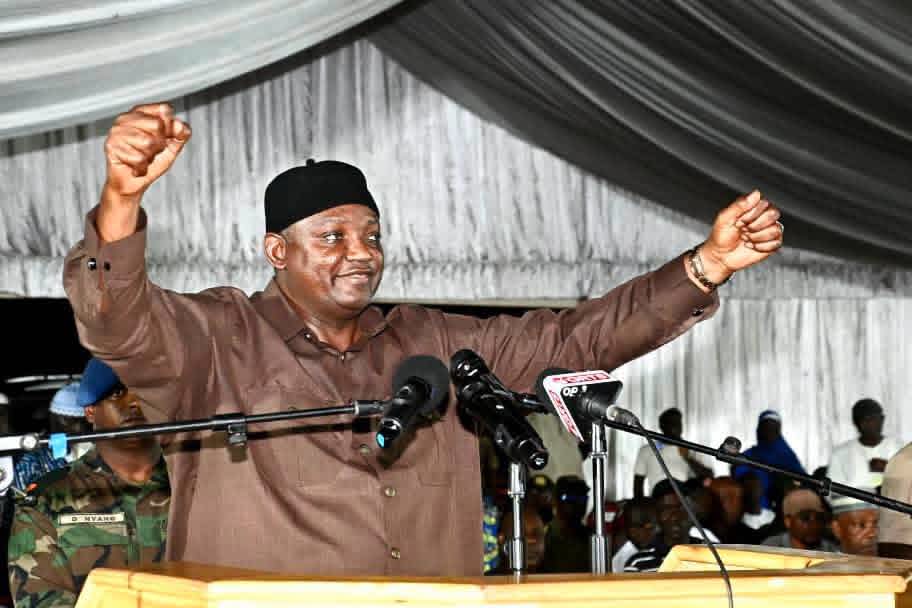
The President, Adama Barrow, has called for stronger regional solidarity to confront terrorism, violent extremism, climate change, and other pressing challenges facing West Africa.President Barrow made the call on Saturday at the opening of the 69th Ordinary Session of the ECOWAS Authority of Heads of State and Government in Freetown, Sierra Leone. Leaders at the summit pledged to accelerate efforts toward a fully integrated West Africa.The meeting is being described as a historic moment for ECOWAS as the bloc refocuses on democracy, good governance, security, trade, and infrastructure.ECOWAS Commission President Dr. Omar Alieu Touray said the summit provides a historic opportunity for leaders to deliver on their pledge to integrate the sub-region into a single bloc capable of addressing shared challenges.He described ECOWAS as a critical platform for dialogue, regional cooperation, and democratic consolidation.Dr. Touray also expressed gratitude to President Barrow for supporting his candidature four years ago, which led to his appointment as President of the Commission.Chairman of the ECOWAS Authority, President Julius Maada Bio of Sierra Leone, said the summit calls for reflection on the past and future of the organization.He noted that the world is undergoing profound changes and increased competition for resources, and urged ECOWAS to adapt to remain relevant and competitive."West Africa carries greater weight when it speaks with one voice," President Bio said.President Barrow reiterated the need for concerted sub-regional action on terrorism, violent extremism, and climate change, warning that these threats require urgent attention.On The Gambia, President Barrow thanked ECOWAS for its support during the country’s transition. He reassured the bloc that his government will conduct a free, fair, and credible election in December.He also reaffirmed The Gambia’s commitment to regional integration and to ECOWAS institutions.At the close of the summit, Senegalese President Bassirou Diomaye Diakhar Faye succeeded President Bio as Chairman of ECOWAS. He will lead the bloc for the next two years.Dr. Touray also concluded his four-year term as President of the ECOWAS Commission. He thanked leaders for their support during what he described as a "very tough and challenging" period.

Continue Reading >>
Press Release First slide

THE GAMBIA CHAIRS 121ST OACPS COUNCIL OF MINISTERS IN BRUSSELS

The Gambia Chaired the 121st Council of Ministers of the Organisation of African, Caribbean and Pacific States (OACPS), 15-16 July 2026, Brussels.The Council of Ministers, being the decision-making body of the 79 Member States of the Organisation of African, Caribbean and Pacific States (OACPS), held its 121st Session in Brussels from 15th -16th July 2026. Over 200 delegates, including 25 Ministers of Finance, Trade and Economic Development, were in attendance, with Honourable Seedy K.M. Keita, Minister of Finance and Economic Affairs of the Republic of The Gambia, chairing in his capacity as President of Council. In his opening statement, Hon. Minister Keita underscored that the strength of the OACPS lies in the common identity and shared cultural values that unite its Member States across three continents. He reaffirmed the Organisation’s collective vision of improving the lives of its peoples through economic transformation, increased trade and investment, a stronger private sector, and improved opportunities for youths and women.Hon. Seedy K.M Keita also called on Member States to maintain the momentum generated by the Malabo Summit by providing the political leadership and ownership necessary to implement the decisions of the Heads of State and Government. He further emphasised the importance of strengthening the Organisation’s governance system, financial sustainability and institutional effectiveness.Key achievements during The Gambia’s Presidency include the successful convening of the 11th Summit of Heads of State and Government in Malabo, the adoption of the Malabo Declaration and its Implementation Matrix and the progress made in advancing the OACPS Transformation Agenda.Honourable Justice Veronic Wright, The Gambia’s candidate for election as a Judge of the International Criminal Court (ICC), had the singular opportunity to present her candidature to the Council of Ministers for their support.

Continue Reading >>
News First slide

VP JALLOW OPENS ATAF MASTER CLASS IN BANJUL, URGES STRONGER DOMESTIC RESOURCE MOBILISATION 

The Vice President, Mohammed B.S. Jallow, on Wednesday officially opened the African Tax Administration Forum in Banjul on behalf of President Adama Barrow.Tax administrators from across the continent gathered for the 7th Heads of Tax Administrations Master Class to discuss ways to strengthen revenue collection in Africa.Delegates came from different countries with diverse legal systems and institutional backgrounds, but share a common goal: to strengthen Africa’s capacity to mobilise domestic resources to improve lives.Delivering the President’s statement, Vice President Jallow said domestic resource mobilisation has been a central pillar of The Gambia’s national development agenda.“Since the inception of my administration in 2017, domestic resource mobilisation has featured prominently on The Gambia’s national development agenda,” he said. “This strategic focus is informed by the growing realisation that African governments cannot achieve sustainable prosperity, economic resilience, and true sovereignty by relying indefinitely on external loans, grants, and development assistance.”The Vice President noted that African economies have faced devastating calamities, global supply chain disruptions, and uncertainties arising from conflicts around the world. He said that these challenges have forced many countries to undertake major reforms to modernise their revenue administration, and that The Gambia has been a beneficiary of those reforms.“Today, The Gambia is reaping the benefits of these reforms through improved efficiency, enhanced transparency, stronger revenue performance, and increased domestic resources to support our national development aspirations,” he said.Vice President Jallow also commended the leadership of the Gambia Revenue Authority, saying it reflects the theme of the Master Class.“The Commissioner General’s leadership stature stands as a practical example of the theme of this Master Class, that great institutions are built by leaders who have the courage to embrace change and the determination to see it through,” he said.For his part, the Commissioner General of the Gambia Revenue Authority, Yankuba Darboe, said the Master Class has been a source of inspiration for his leadership.“When I say this Master Class has had a profound impact on my own leadership journey. Since the launch of this initiative, I have had the privilege of participating in several editions, often accompanied by my Deputy Commissioner General,” Darboe said. “Every year, we return home with new ideas, fresh perspectives, and practical lessons from fellow Commissioners General who have faced challenges similar to those confronting us in The Gambia.”After the deliberations in Banjul, the tax administrators are expected to leave with renewed strategies to combat base erosion, profit shifting, and illicit financial flows that deprive Africa of much-needed development resources.Participants of the 2026 ATAF Master Class are also expected to adopt a communique outlining key recommendations for tax administration across the continent.

Continue Reading >>
News First slide

PRESIDENT BARROW JOINS ECOWAS LEADERS TO INAUGURATE JULIUS MAADA BIO INTERNATIONAL CONVENTION CENTRE IN SIERRA LEONE

On the eve of the 69th Ordinary Session of the ECOWAS Authority of Heads of State and Government, Sierra Leone inaugurated a state-of-the-art International Convention Centre named after President Julius Maada Bio on Saturday.The inauguration ceremony in Lungi was attended by several sub-regional leaders, with His Excellency Adama Barrow attending as Special Guest of Honour.The new facility is being hailed as a major milestone in Sierra Leone’s modernisation drive.President Barrow arrived at Lungi International Airport Saturday morning to join other West African leaders for the ECOWAS Summit.  He was received by Sierra Leone’s Vice President, Dr Mohamed Juldeh Jalloh, who escorted him through airport formalities reserved for visiting Heads of State.The two leaders held a brief tête-à-tête in the VIP lounge before President Barrow was driven to the nearby convention centre.Located a few metres from the International Airport, the Julius Maada Bio International Convention Centre is one of several infrastructure projects undertaken by the Bio administration to position Sierra Leone as a hub for sub-regional, continental, and global diplomacy.The ceremony was attended by Heads of State, ECOWAS officials, and other dignitaries.In his remarks, President Barrow praised President Bio for the ambitious initiative, describing it as a testament to visionary leadership.“One can safely and boldly conclude that it is a testament to the visionary leadership and statesmanship of President Bio. No wonder the centre proudly bears his name,” President Barrow said.  “This edifice vividly symbolises what is attainable when leaders dedicate their lives to their nations and toil not only for the present, but also for generations to come.”President Barrow noted the special significance of the occasion for The Gambia.“For The Gambia, the occasion carries unique significance. Sierra Leone and The Gambia are bound not merely by geography and membership of ECOWAS, but equally by a shared history marked by resilience, resourcefulness, and an unwavering commitment to democracy, peace, and regional integration,” he said.He added that the new convention centre will create opportunities for Sierra Leone and position the country as a hub for diplomacy, dialogue, and investment.“A convention centre of such magnificence is more than a physical structure. It is a public space to generate and share ideas, knowledge, and expertise. It is an avenue for constructive diplomacy, a venue for commerce, and a platform from which Africans can present their viewpoints to the world with dignity,” President Barrow stated.“I am confident that the centre will host insightful dialogues to influence our region’s future, moderate negotiations for our shared prosperity, and hold many celebrations of success.”The President reassured Sierra Leone of The Gambia’s pride in the achievement and urged both countries to continue working together to transform their nations.President Barrow later joined his host and fellow leaders from Senegal, Ghana, Mauritania, Cabo Verde, and Liberia to cut the ribbon and officially open the Julius Maada Bio International Convention Centre.For President Bio, the inauguration marked a proud moment as Sierra Leone welcomed ECOWAS leaders for the 69th Ordinary Session.

Continue Reading >>
Press Release First slide

THE GAMBIA GOVERNMENT CONDEMNS BORDER FENCE DEMOLITION  AT BULOCK 

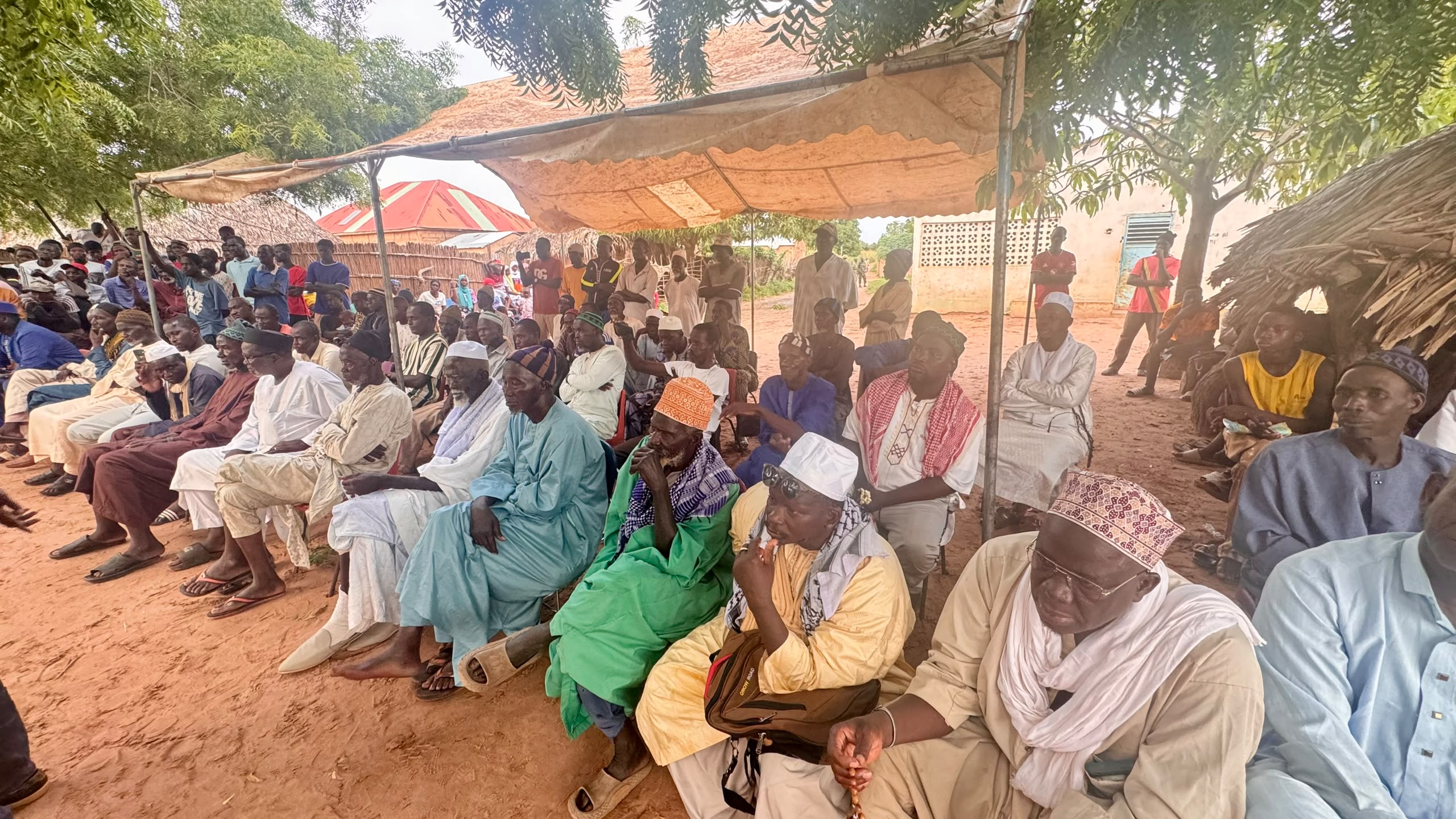
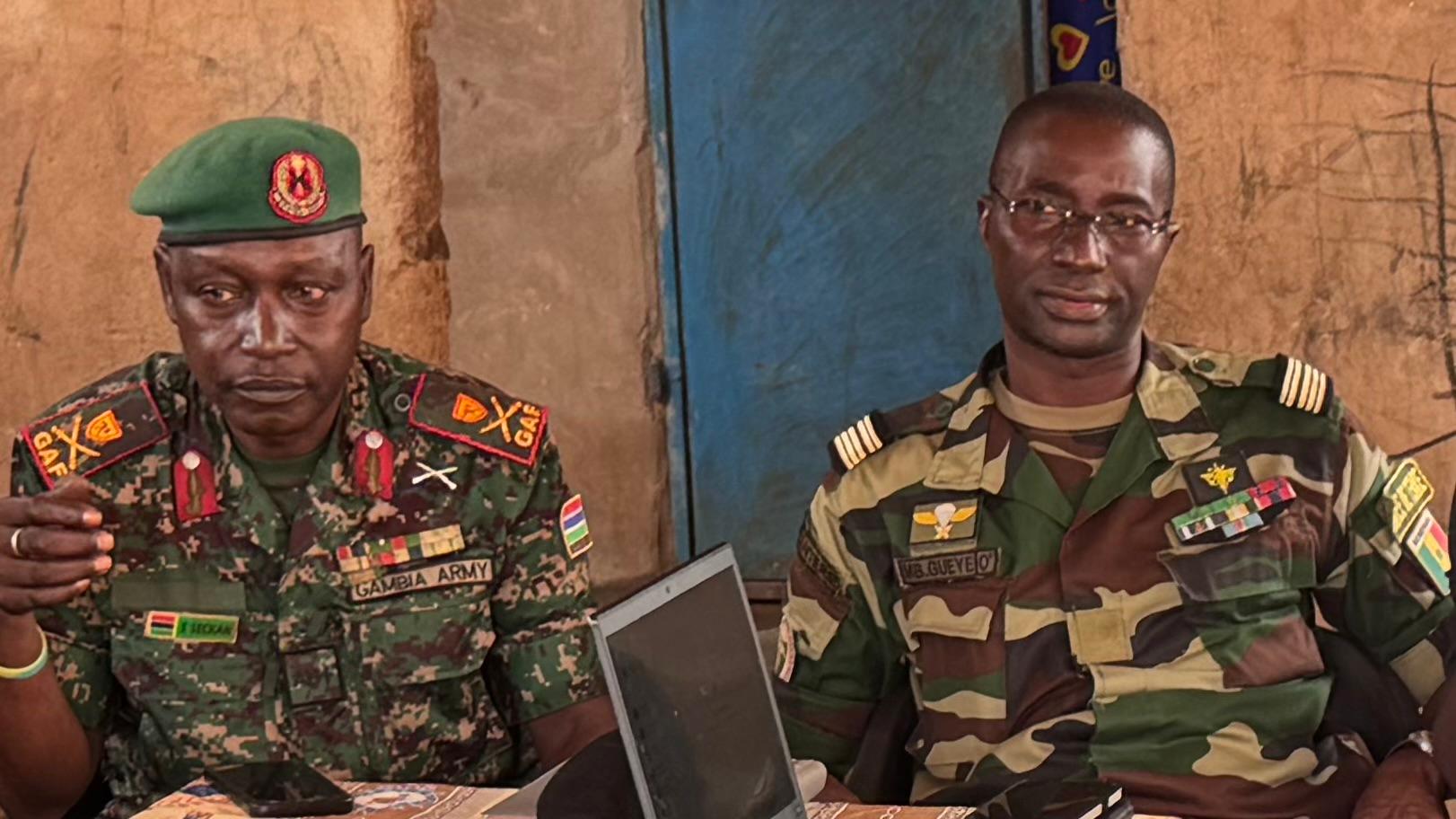
Re: The Gambia Government Statement On The Bulock Military Camp Border IncidentBanjul, The Gambia - The Gambia Government expresses its deep concern over the unfortunate incident that occurred on Thursday afternoon, 16th July, 2026, at the Bulock Military Border.Post, West Coast Region, involving members of the Senegalese Armed Forces. The Government confirms that a section of the perimeter fence of a Gambia Armed Forces military installation was demolished without prior consultation through the established bilateral military and diplomatic mechanisms that have long guided cooperation between our two sister countries.While The Gambia considers this action profoundly provocative and totally unacceptable, the Government remains fully committed to resolving the matter peacefully through dialogue and the existing Joint Military Committee and other bilateral channels. A formal diplomatic engagement with the Government of Senegal is already underway.The Government wishes to reassure the Gambian public, members of the Diplomatic and Consular Corps and residents of The Gambia, that there is no need for panic as the security situation remains calm and fully under control. Throughout the incident, Personnel of The Gambia Armed Forces acted with exemplary professionalism and restraint, preventing any potential escalation.Significantly, the Governments of The Gambia and Senegal have enjoyed decades of close fraternal cooperation, friendship and shared responsibility for regional peace and stability. Only recently, both Heads of State reaffirmed their commitment to strengthening bilateral relations through enhanced cooperation in Defence, Security, Trade, Border Management and Economic Development. It is in that same spirit that this unfortunate incident will be addressed.Accordingly, The Gambia Government calls on the Senegalese Armed Forces to exercise maximum restraint and to ensure that any future concerns relating to the common border are addressed exclusively through the established bilateral mechanisms and in full respect of the sovereignty and territorial integrity of both States.The Government is confident that through mutual respect, constructive dialogue and the longstanding friendship between our two nations, this matter will be resolved swiftly and amicably.The Government further urges all Gambians to remain calm, refrain from speculation, and allow the ongoing diplomatic process to reach a peaceful conclusion.Signed,Ebrima G. Sankareh The Government Spokesperson & Presidential Diaspora Adviser 

Continue Reading >>