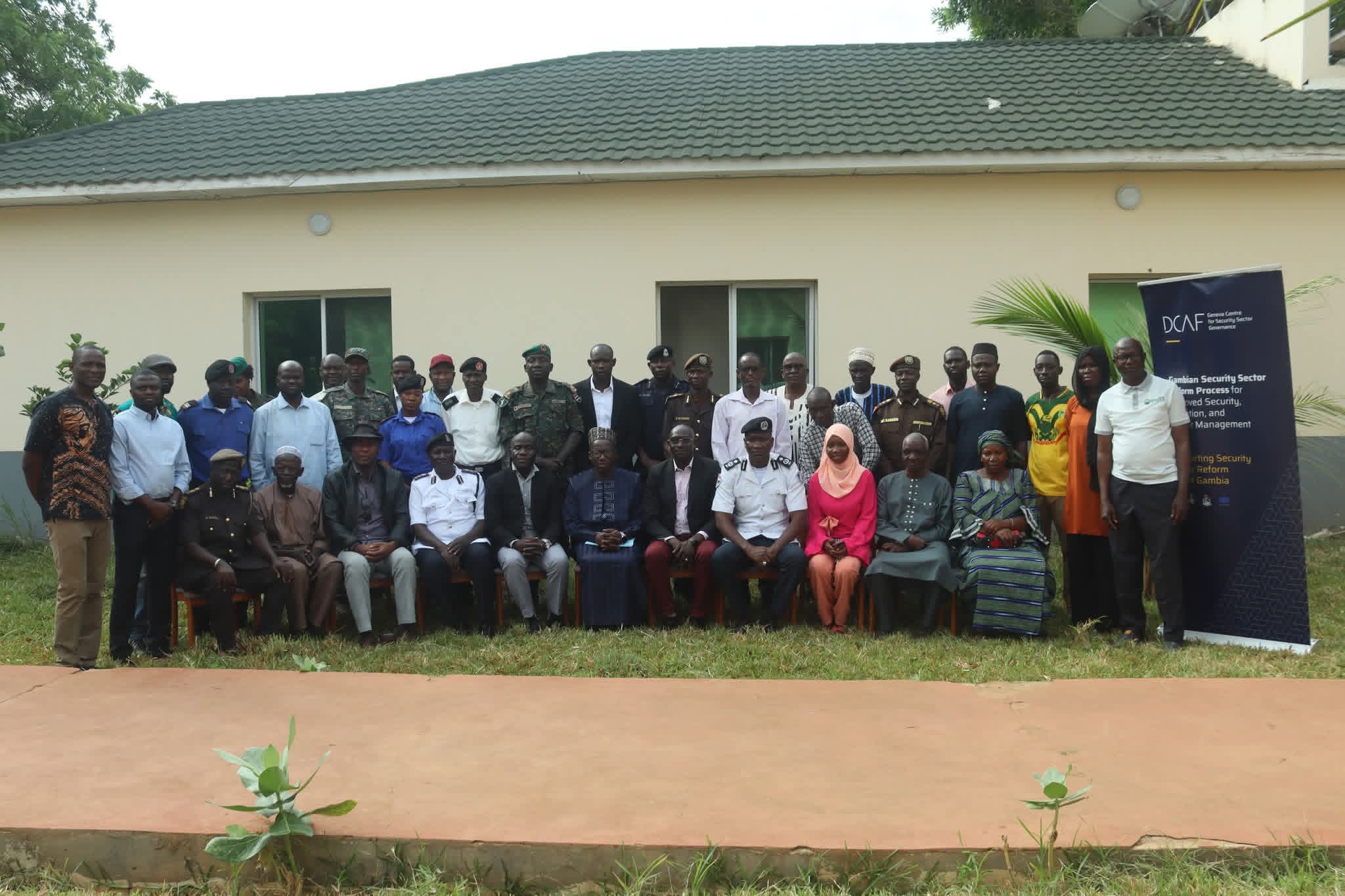
The Office of the National Security (ONS), in partnership with the Geneva Centre for Security Sector Governance (DCAF), has launched a regional sensitisation programme on the National Security Council Act 2025 in the Central River Region (CRR). This initiative aims to deepen public understanding of the legislation, which seeks to create a formal and coherent framework for coordinating national security activities across the country.
The National Security Council Act 2025 is designed to enhance efficiency, strengthen strategic oversight, and address emerging and traditional security challenges. The Act establishes a structured National Security Council and related mechanisms to promote inter-agency coordination, civilian oversight, and a more professional security sector.

This sensitation targets over 300 participants, including Regional Governors, security agencies, Chiefs, Alkalos, civil society, youth and women’s groups, are expected to take part.
Foday Fofana, Project Officer at DCAF-Banjul, emphasised the importance of engagement in promoting clarity, enhancing collaboration, and generating valuable feedback to strengthen national security coordination mechanisms. The sensitisation exercise is part of ongoing efforts to popularise the legislation among the public and security institutions nationwide.
Governor Ousman Bah of the Central River Region commended the Government of The Gambia for prioritising security sector reforms and taking deliberate steps to popularise the legislation. Lamin Jatta, Director of Joint Assessment at the Office of the National Security, noted that the Act is designed to align national security with development aspirations, ensuring security strategies remain comprehensive, people-centred, and supportive of the country's wider development agenda.
The nationwide sensitisation reinforces democratic norms by embedding respect for human rights, accountability, and the rule of law within the country's security sector. This initiative demonstrates The Gambia's commitment to promoting security sector governance and advancing national development priorities.
This sensitation targets over 300 participants, including Regional Governors, security agencies, Chiefs, Alkalos, civil society, youth and women’s groups, are expected to take part.
128 Likes
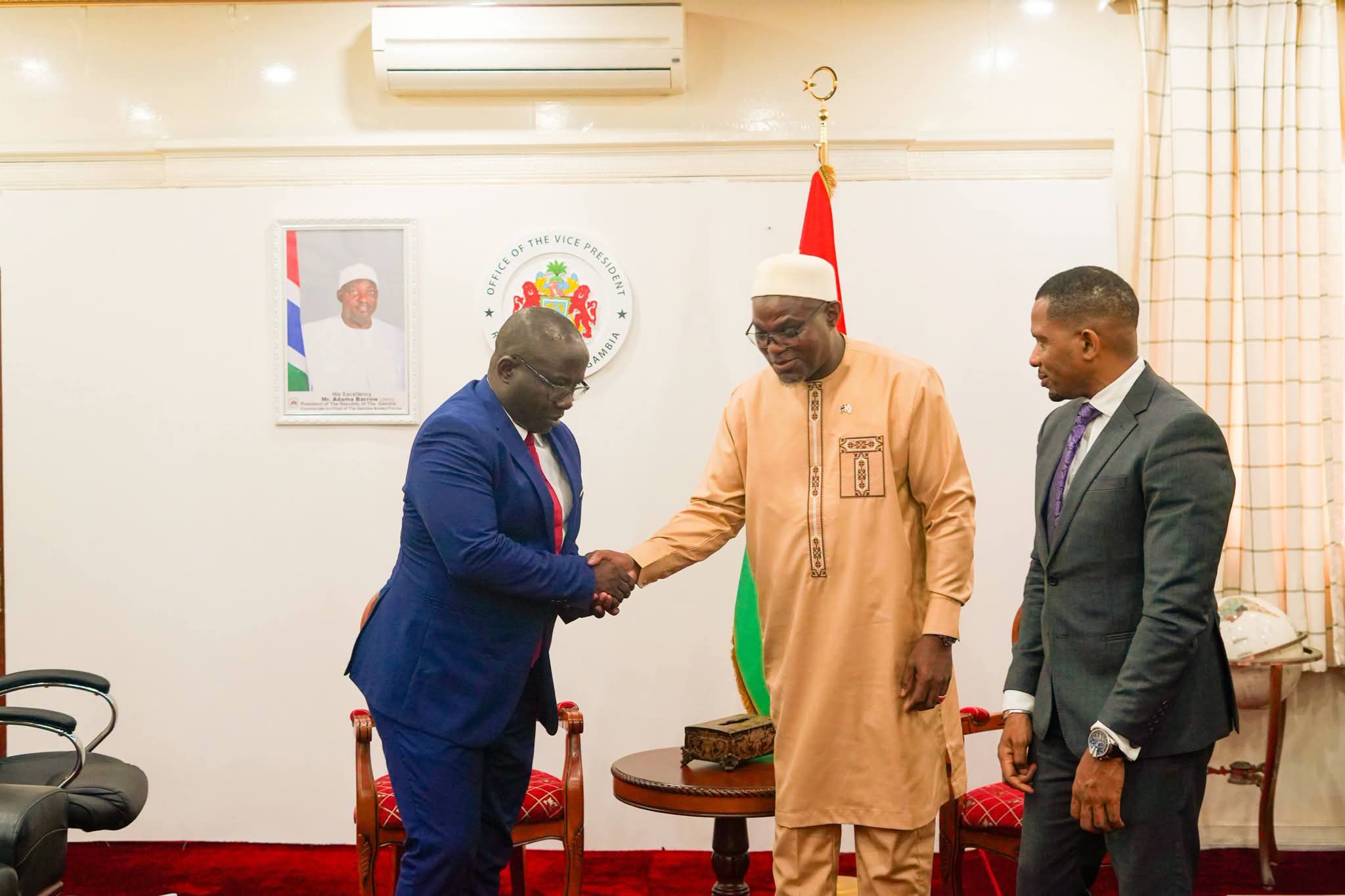
The Guinea-Bissau Minister of Social Communication and Government Spokesperson, Hon. Dr Abduramane Turé, has paid a courtesy call on The Gambia’s Vice President, His Excellency Mohammed B.S. Jallow, at State House. The visit is aimed at strengthening ties between Bissau and Banjul. Minister Turé was accompanied to the Vice President’s office by Guinea-Bissau’s Ambassador to The Gambia, Luís Camara de Barros, alongside The Gambia’s Minister of Information, Dr Ismaila Ceesay, Permanent Secretary Codu L. Jabang, and Director of Information Services, Aisha Davis.The delegation held a closed-door meeting with the Vice President. Afterwards, Minister Turé addressed the press on key issues discussed.“I did not come to discuss a specific agenda with His Excellency the Vice President. I'm here to brief him on the core objectives of my mission to The Gambia, and further update him on the current status of bilateral cooperation in the field of media and social communication,” he said.Minister Turé commended the cordial relations between Guinea-Bissau and The Gambia, describing them as strong and mutually beneficial.The Guinea-Bissau official also praised the Vice President for the warm reception, saying VP Jallow reaffirmed his commitment to advancing the development agendas of both countries. He expressed optimism that the visit will further deepen bilateral ties.
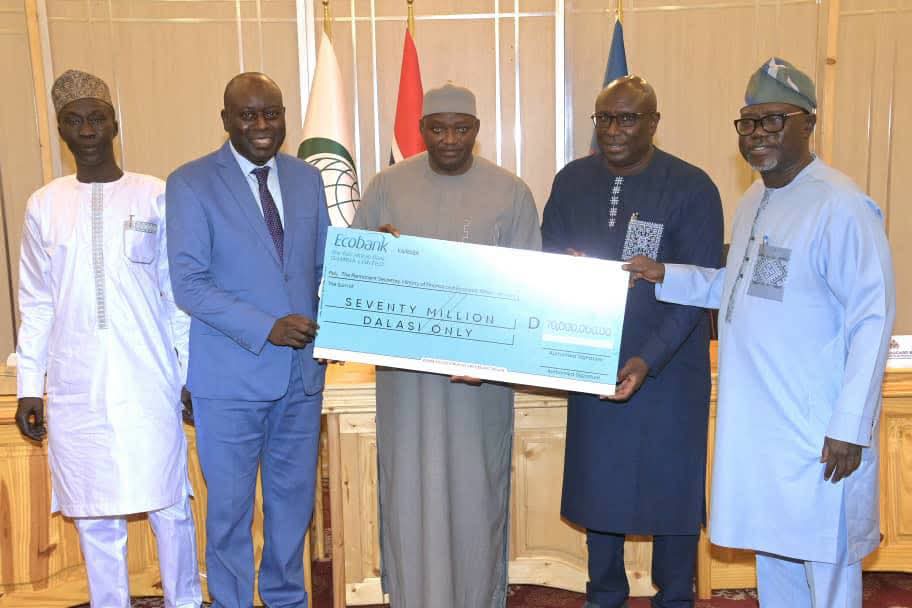
Five state-owned enterprises, SOEs, handed over cheques totalling D137 million in dividend payments to President H.E. Adama Barrow at a ceremony held at State House on Tuesday. The unprecedented development marks a milestone in government-SOE relations, following reforms aimed at making the enterprises more profitable, better managed, and financially viable.For the first time in The Gambia’s history, SOEs lined up at State House not to request bailouts, but to return dividends worth over D130 million to the President.Board chairpersons, managing directors, and officials of the State-Owned Enterprises Commission gathered in the Cabinet Room to witness the ceremony. The five SOEs and their contributions were:1. Gambia Ports Authority: D70 million.2. Gambia National Petroleum Corporation: D50 million.3. Gambia Civil Aviation Authority: D5 million.4. Gambia Publishing and Printing Corporation: D5 million.5. The Gambia Radio and Television Services: D2 million.Chief of Staff to the President, Alieu Loum, who chaired the event, described it as unique. “The SOEs have fulfilled their obligations to government and to Gambians,” he said.The Chairman of the SOE Commission, Ousainou Ngum, said since the commission’s establishment three years ago, there has been remarkable improvement in the operations, management, and performance of state enterprises. He expressed hope that this transformation will continue, starting with this first dividend payment. Ngum also commended President Barrow for his leadership, oversight, and support to the commission and SOEs.In his keynote address, President Barrow described the ceremony as historic, noting it marks a turnaround for SOEs that, until 2024, were running a combined net loss of D2.4 billion. He attributed the performance to his government’s deliberate, sustained, and evidence-driven reform agenda focused on governance, accountability, and performance management.The President praised the SOE Commission for transforming public perception of state institutions and promoting efficiency. However, he urged all stakeholders to build on these achievements to address challenges affecting growth, liquidity, and profitability.President Barrow also reassured Gambians that the government will continue robust measures to end recurrent power cuts. He noted that NAWEC has improved its financial performance, enabling investment in the energy sector.He concluded by urging all SOEs to maintain the momentum, as the government remains committed to building efficient, functional, and robust state enterprises that deliver for the Gambian people.
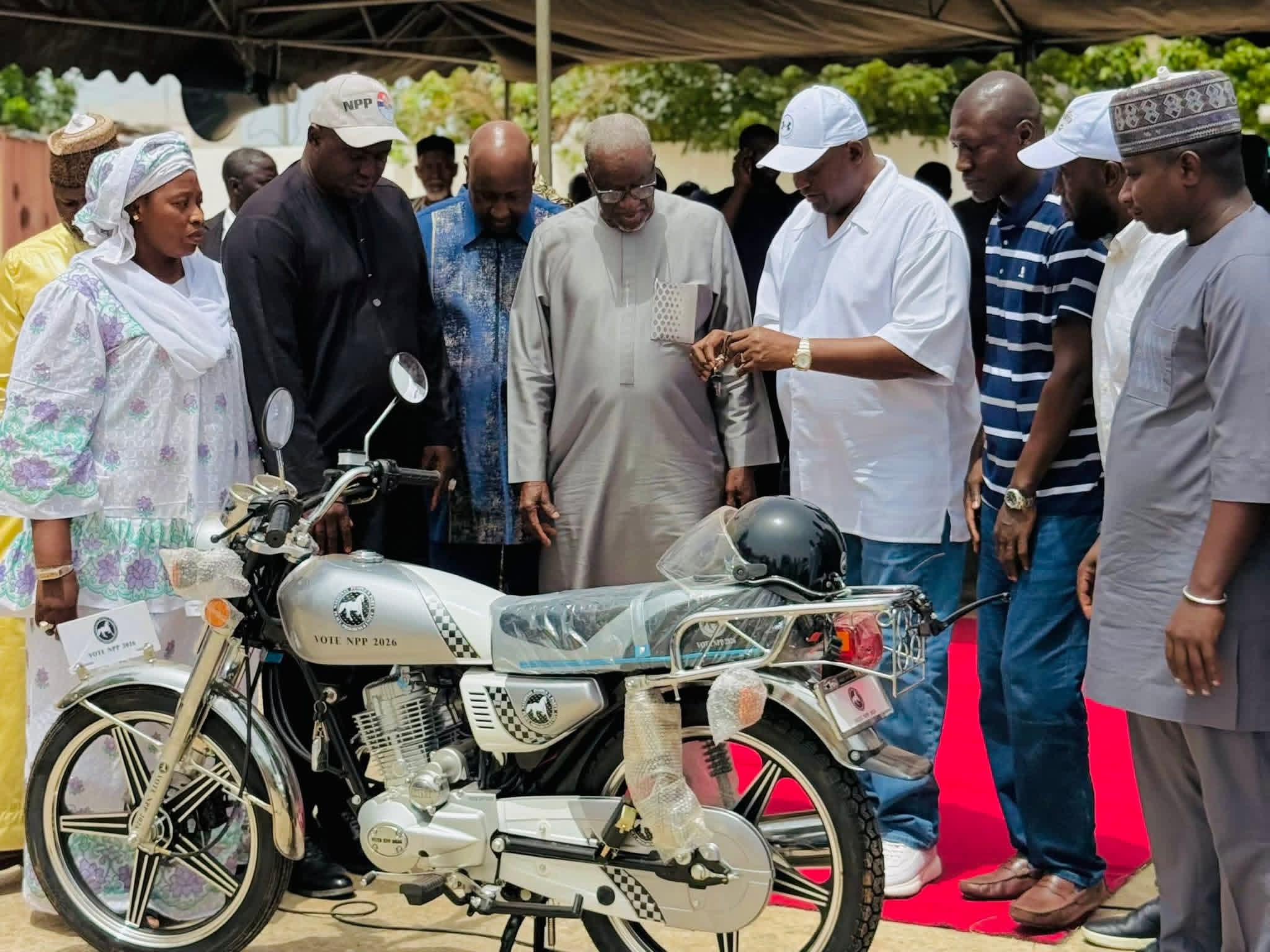
Sixteen brand-new pick-ups and 187 motorcycles were distributed to regional chairpersons and grassroots NPP party mobilisers by the President and Party leader, HE Adama Barrow.This is the first batch of vehicles and motorbikes purchased by the party to boost preparations for the upcoming Presidential election in December.Speaking at the presentation ceremony at the State House, NPP party executive members welcomed the development as timely, as it would strengthen grassroots mobilisation efforts by enhancing movement and engagement within party members.Alhaji Ousman Wadda, the regional chairman of Banjul, and his counterpart from the Upper River Region, Alhaji Bubu Drammeh, praised the party leader, President Barrow, for this innovative and timely intervention that will go a long way in strengthening the party. They described this presentation as unprecedented in the history of any political party and pointed to President Barrow's good leadership qualities, compassion, and charisma as the driving force behind the success of the NPP.The two-party officials advised beneficiaries of these logistics to take good care of the vehicles and motorbikes and ensure they are used for the intended purpose. On behalf of their colleagues at regional and grassroots levels, the two chairpersons expressed gratitude to the party leader, his executive, and all members for the support. They finally called for teamwork to secure a landslide victory for the party.The administrative secretary of the NPP, Sidi Ceesay, also welcomed this development, calling it a major achievement for the party, which continues to set the pace for other political parties in The Gambia. Mr Ceesay described President Barrow as a visionary leader who is widely respected across Africa as a democrat, development-oriented, tolerant, and peaceful—attributes he said set him apart from others.The Administrative Secretary reminded party members that these vehicles and motorbikes are costly and should be well maintained to ensure sustainability. He advised the beneficiaries to respect traffic rules and avoid any conduct that might damage the reputation of the party or its members.These words were echoed by Maimuna Baldeh, the national women's mobiliser of the NPP, who urged supporters to draw inspiration from these and other developments championed by President Barrow.She noted that President Barrow has fulfilled all his promises to Gambians and therefore deserves support to continue his transformative development across the country. President Barrow has a big heart; he is patriotic and hardworking. 'Therefore, I urge you to be patient,' Maimuna Baldeh told NPP supporters.She also advised drivers and riders to take very good care of these vehicles and motorbikes, ensure regular maintenance, and avoid reckless driving on the highways. She warned against flouting traffic rules or disobeying police officers on the roads, before thanking President Barrow for this intervention that will boost grassroots politics.For the NPP, National President Musa Drammeh, this week will be remembered as a historic milestone for the party, as it continues to organise groundbreaking activities to boost support.He noted that this is the first time a political party has engaged in such activities and highlighted that it demonstrates the NPP is a party with a difference. He attributed this success to President Barrow's leadership qualities, which emphasise teamwork, hard work, and patience.The President called the event a joyous day, marking a major milestone for the NPP. Since its founding, President Barrow noted that the NPP has continued to grow from strength to strength.He described this election as the most important and interesting, vowing to do whatever it takes to outpace his opponents. With the stakes so high, President Barrow promised to do everything to avoid what he called an embarrassment. 'This is more than a do-or-die for us,' he said, urging party supporters to be proud of themselves and the NPP.He disclosed that this first batch of vehicles and motorbikes will be followed by more, as the party plans to provide vehicles and motorbikes to their coalition partners, national executive members, and other allies. These vehicles, he added, will be allocated to regional chairpersons and grassroots mobilisers.He described them as the most vital members of the NPP, serving as a bridge between the leadership and ordinary supporters. 'The grassroots hold the key to our success,' President Barrow said. 'You are very important and the majority.' The party leader also cautioned members who may not have received a vehicle or motorbike to refrain from venting frustrations on social media, advising patience.To the beneficiaries, President Barrow urged them to use the vehicles and motorbikes strictly for official purposes to serve the party’s interests. He reassured that vehicles from the existing fleet will be repaired and returned to their owners.According to the President, this presentation of vehicles and motorbikes marks the de facto start of the campaign for the 2026 Presidential election and called on all party members to begin working earnestly to secure victory for the NPP.
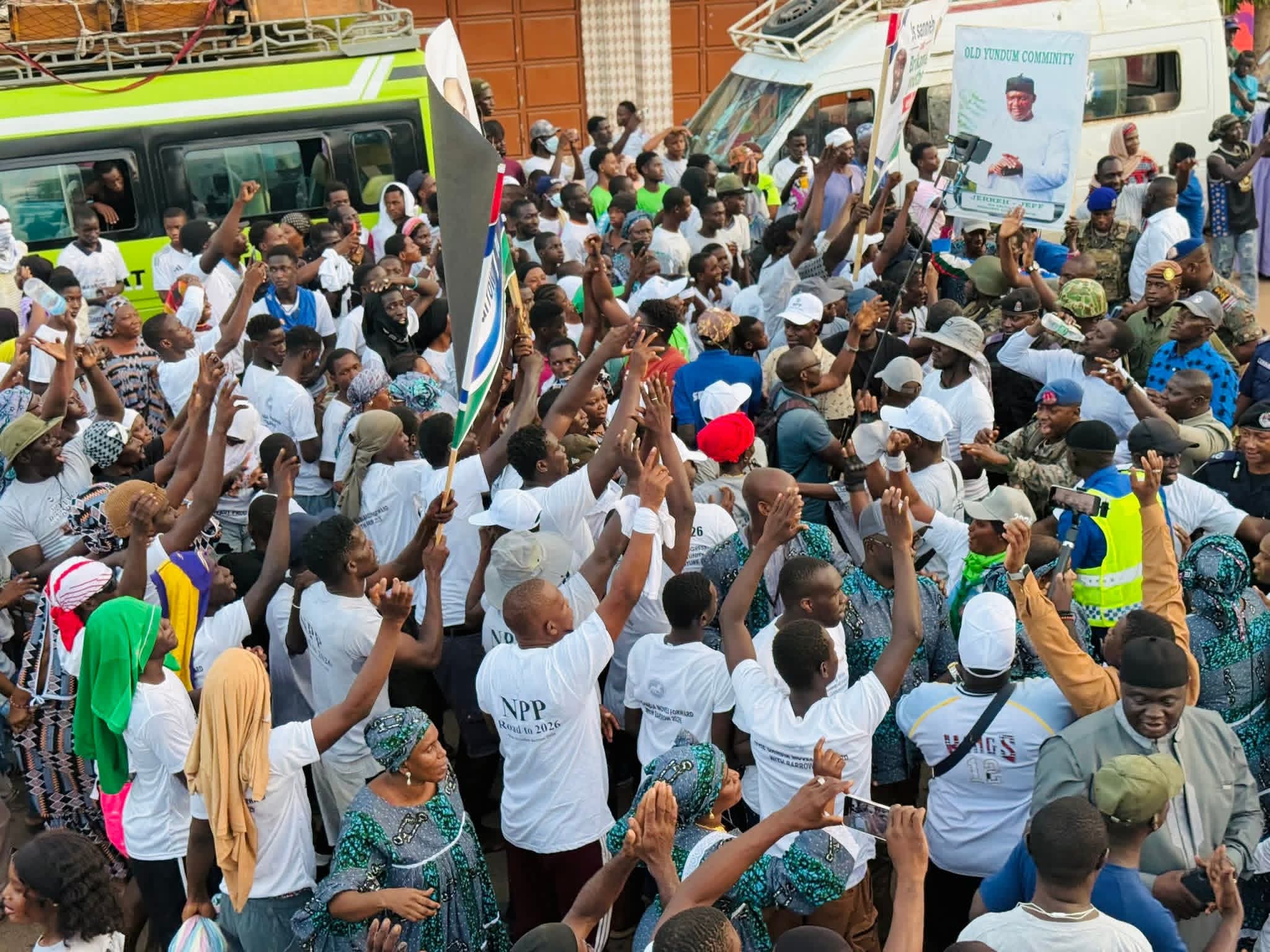
The National People's Party and its coalition partners organised a mega rally on Saturday in Brikama to whip up support ahead of the December 5th Presidential election. The rally which attracted thousands of supporters from across the West Coast Region unanimously endorsed the President and NPP leader H.E. Adama Barrow as the candidate for the election. The mega rally is seen as the biggest political gathering Brikama has witnessed in recent years. It underscores the ruling party's resolve to consolidate its grip on The Gambia's political landscape.The National People's Party and its coalition partners staged a massive political rally in Brikama, West Coast Region drawing thousands of supporters in what organisers described as the biggest political rally ever organised by a political party.Supporters flooded the main highway leading to the SSP park in great excitement, whilst inside the venue itself party executive members, coalition party leaders and supporters kept a lively atmosphere waiting for the arrival of the President and party leader H.E. Adama Barrow.A moment later President Barrow made a triumphant entry into Brikama escorted by jubilant crowds who escorted his motorcade into the venue.His arrival marked the beginning of the mega rally, which was preceded by the unveiling of the party manifesto, nine-point plan and digital platforms a day earlier.The mega rally was organised by the Regional Executive Committee of the NPP in partnership with its coalition allies to drum up support for President Barrow's candidacy for the upcoming December 5th Presidential election.More than a dozen NPP party members at the regional, constituency and ward levels spoke at the rally, underscoring the need for concerted efforts to secure a landslide victory for President Barrow.They all pointed to his development track record in the areas of infrastructure, education, health care, electricity, women and youth empowerment and governance reforms as evidence of his commitment to the peace and welfare of the country. They all warned against voting for the opposition, which lacks the experience, foresight and resources to match President Barrow's development track record, adding that the country will be better off with President Barrow at the helm.The speakers also spoke of President Barrow's peaceful disposition, his tolerance and commitment to democracy as proof that he is the best candidate for the job, warning that the opposition risks nullifying the gains already registered under President Barrow.Therefore, they all called for a general mobilisation of people, particularly the youth and women to give President Barrow a landslide victory in December. Several other allied party leaders including Dr Ismaila Ceesay of the Citizens’ Alliance and Hamat NK Bah of the NRP endorsed President Barrow at the rally. Dr Ceesay spoke highly of the President and his achievements over the last 9 years, arguing that Gambians should vote for continuity. He called on the youths in particular to shun violence, and indiscipline and participate fully in the national development process. He advised the youth to respect constituted authority and desist from any unlawful activity that could endanger peace, security and stability. The Citizens Alliance leader also cautioned against the politics of hate and deception, arguing that elections are more than just rhetoric and propaganda on social media but concrete outcomes that improve the lives and the livelihoods of the people. He praised the coalition as the only viable force that can bring development for the people adding that Gambians are now politically aware to make informed choices.The NRP leader on the other hand defended the government's handling of the electricity crisis, noting that over the last 9 years, the government has invested resources to ensure a stable, reliable and accessible electricity supply across the country. He reassured that President Barrow will address the current problems associated with supply, as his government has carefully taken stock of the issues involved. Hamat Bah described President Barrow as the most experienced politician amongst his opponents, arguing that he has the pedigree, integrity and modesty to lead the country into the future. Senior executive members of the NPP namely Musa Drammeh the National President, Dr Demba Sabally the 1st Deputy President and Maimuna Baldeh the National Women’s Mobiliser, all called on the supporters to renew their commitment and loyalty to President Barrow. They described this year’s election as crucial as it will decide the country's fate for the next five years. They expressed confidence in President Barrow to lead the coalition to victory in December, judging by this unprecedented turnout, which will sow fear in the opposition. The leaders dismissed the opposition calls for term limits, noting that the constitution allows President Barrow to seek as many terms as he would like. The rally also witnessed the defection of several hundred people from the opposition into the NPP. Dou Sanno, a political adviser to the President paraded the purported defectors to President Barrow which was hailed as a victory for the NPP and a blow to the opposition in the West Coast Region. The mega rally climaxed with President Barrow's address in which he extended gratitude to the regional party structures for organising such a massive rally. The President recalled how in 2016 he addressed his first political rally in Brikama which marked the beginning of his political journey. He therefore expressed confidence that this rally will mark the beginning of his re-election bid in which he vowed to defeat his opponents in a landslide. President Barrow described the 2026 election as unprecedented as he could potentially face 4 former vice presidents. He however remained confident that he will defeat them either individually or in a coalition, as he knows his opponents all too well. He lashed at his political opponents for using the current electricity crisis as a political tool to attract votes, arguing that his government has a good track record in electrifying the country over the last 9 years. He described the current electricity problem as a technical issue which is being sorted out, and advised the opposition not to use it as a campaign strategy. The President pledged to continue on his development trajectory if re-elected, promising to increase workers’ salaries by 30% next year.Speaking about the NPP and its coalition partners, President Barrow called on his supporters to remain focused on the bigger picture as they are the biggest and strongest political force in The Gambia. He challenged his supporters to bring more people into the NPP to enable the party to double its tally from 450 thousand votes to nearly a million in December. With such a landslide victory, President Barrow reassured that the NPP will remain the dominant political force for the next 100 years, cementing its legacy as a party of development, continuity and progress.The President left Brikama convinced that the NPP and its coalition partners have set the ball rolling for what promises to be a busy and closely fought campaign to capture the hearts and minds of Gambians. With this impressive turnout, the NPP are hoping to keep the momentum ahead of the election in December by turning Brikama and the West Coast Region, which is the most populous in the country, into a no-go area for the opposition. The belief is that any party that wins the West Coast Region will likely win the Presidential election.
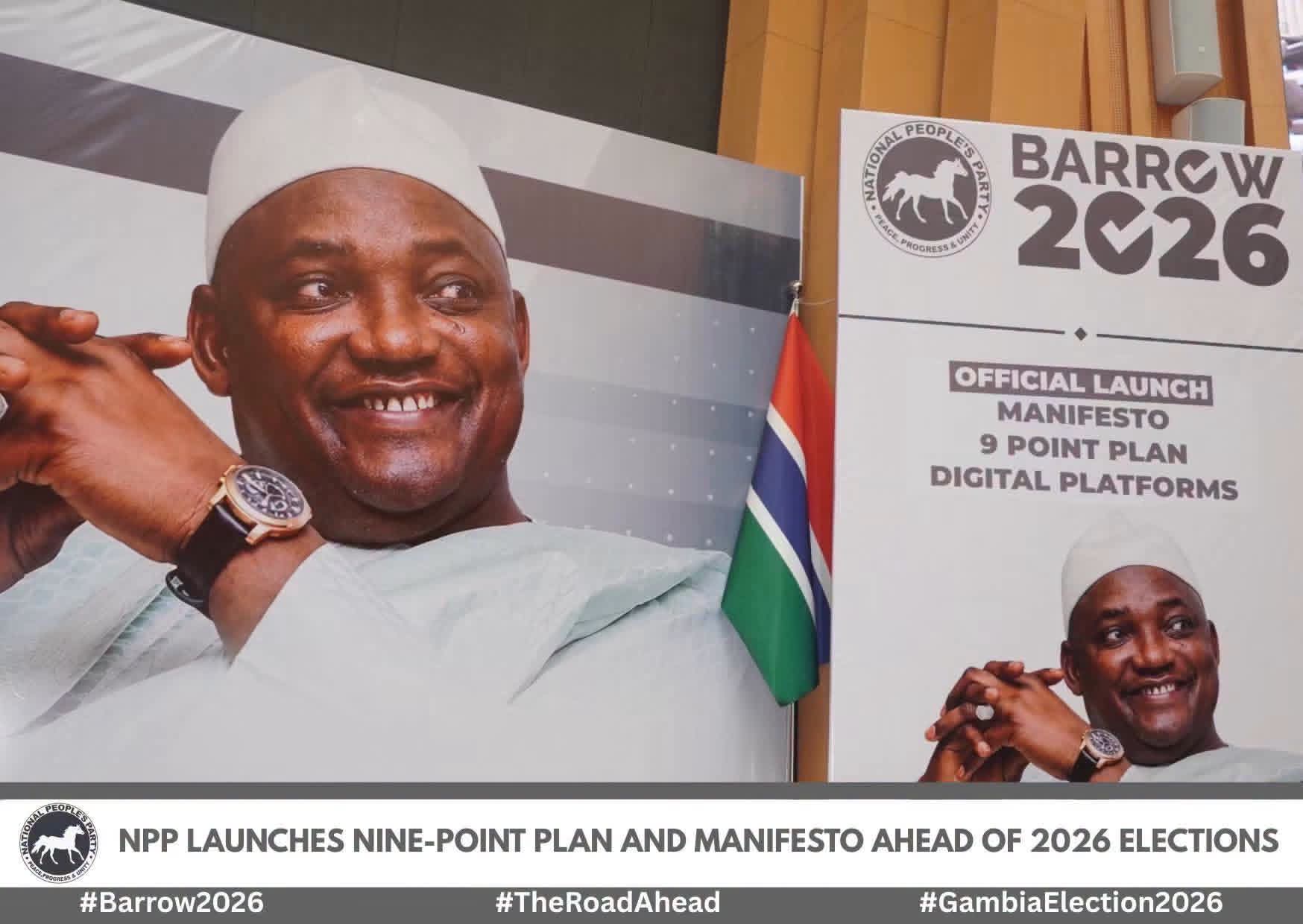
The President His Excellency Adama Barrow, Secretary General and leader of the National People’s Party, on Friday launched the NPP manifesto, nine-point plan, and new digital platforms at a landmark ceremony held at the Sir Dawda Kairaba Jawara International Conference Centre.The launch, themed: “Consolidating Progress, Expanding Opportunity, Securing the Future”, is being hailed as a historic first for Gambian politics, just six months before the December Presidential election.MANIFESTO MAPS NEXT FIVE YEARS The manifesto and nine-point plan outline the NPP’s achievements over the last five years, its priorities, and a clear roadmap for the next term. The documents were shaped by extensive consultations and research with party members nationwide.Dr Amadou Scattred Janneh, who served on the drafting committee, described the plan as “unprecedented and truly revolutionary”, saying it reflects the hopes and aspirations of Gambians.“This is more than a campaign document,” President Barrow said in his launch address. “It is a well-thought-out framework for sustained socio-economic growth, infrastructure development, and youth and women’s empowerment.”DIGITAL SHIFT BRING PARTY CLOSER TO PEOPLE In a first for a political party in The Gambia, the NPP also unveiled digital platforms that give citizens direct online access to the manifesto, party activities, and updates, in all five national languages.Presidential Adviser Ousman Bah said the innovation is designed to make politics more inclusive and participatory. “This opens a new chapter for engagement, not just with Gambians, but with the rest of the world,” President Barrow added.SHOW OF UNITY Dressed in the party’s signature grey, President Barrow was accompanied by First Lady Fatou Bah-Barrow. They were joined by Vice President H.E. Mohammed B.S. Jallow, national and regional executives, ward representatives, and leaders of allied parties.Sidi Ceesay, NPP Administrative Secretary, said the approach proves the party’s commitment to building an organisation that responds to its supporters’ needs.Dr Demba Sabally, First Deputy National President, credited the party’s growth to President Barrow’s “dynamic and proactive leadership”, calling the NPP the biggest and most resilient party in the country.Speaking for allied parties, Mai Ahmad Fatty of the Gambia Moral Congress praised President Barrow for the democratic gains since 2016 and predicted a landslide victory for the coalition in December.NINE YEARS OF TRANSFORMATION President Barrow recalled the sacrifices Gambians made to build the NPP, noting how the party has transformed all facets of national life since 2016. With the launch of the manifesto and digital tools, the NPP and its allies say they are not just campaigning, they are strengthening their base, expanding outreach, and preparing The Gambia for the future.
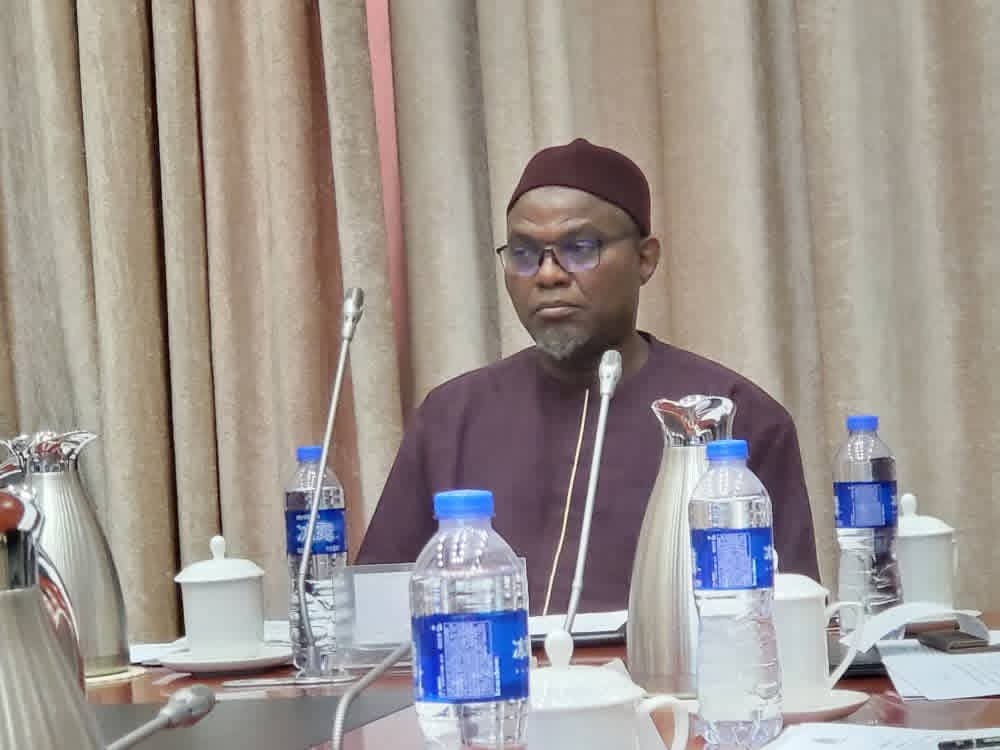
As part of his visit to China for the 2026 Forum on Global Human Rights Governance, Vice President His Excellency Mohammed B.S. Jallow, together with Musa Mbye, Permanent Secretary at the Office of the Vice President, met with members of The Gambia’s Embassy in China.During the meeting, The Gambia’s Ambassador to China, His Excellency Masanneh Nyuku Kinteh, described VP Jallow’s visit as a demonstration of The Gambia’s commitment to strengthening ties with the People’s Republic of China. Ambassador Kinteh further briefed VP Jallow and the delegation on gains made by the Embassy. He cited progress in advancing infrastructural development, capacity building, green recovery, and sustainable development objectives.For his part, Vice President Jallow commended His Excellency President Adama Barrow for authorising his participation in the forum on behalf of The Gambia. VP Jallow also praised the Embassy staff for their dedication to strengthening Gambia-China relations.The meeting was also aimed at preparing the Vice President and his delegation for the next phase of engagements in China.
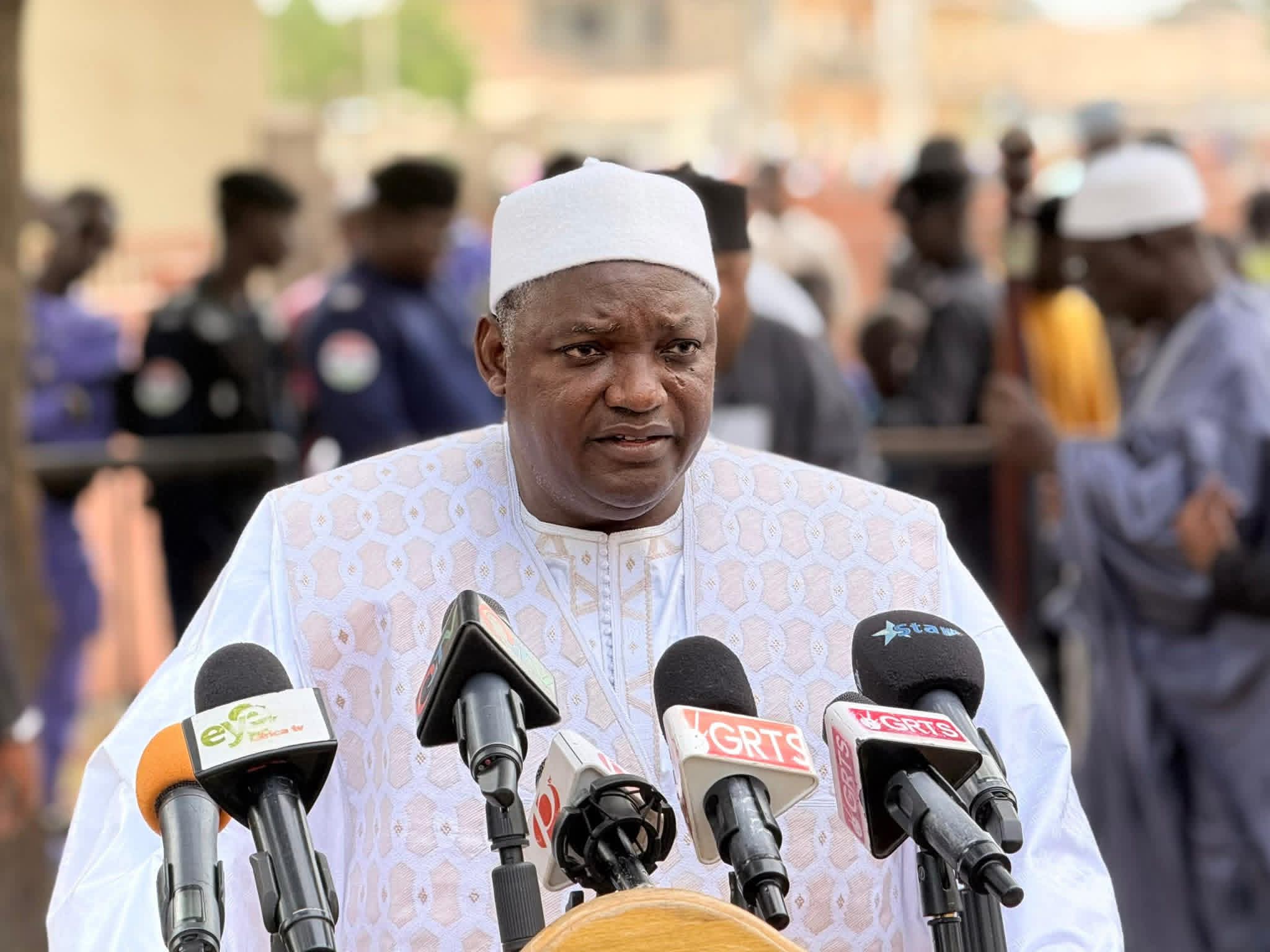
Muslims in Banjul gathered at the King Fahd Mosque to observe the Feast of Eid al-Adha, locally known as Tobaski. President Adama Barrow, cabinet ministers, security chiefs, and senior government officials also participated in Eid prayers, led by Imam Ratib of Banjul, Alhaji Cherno Alieu Mass Kah. The president used his Eid message to call for peace, tolerance, and responsible citizenship.Imam Ratib of Banjul, Alhaji Cherno Alieu Mass Kah, led the two-rakah prayer.In his sermon after the prayer, the Imam Ratib urged Muslims to uphold peace, tolerance, and stability.He expressed concern over the rising use of drugs and illicit substances among youth and called for concerted efforts by government, parents, religious leaders, and society to address this menace, which threatens the well-being and future of young people.He also prayed for ongoing peace and stability in The Gambia and the wider world.In line with religious teachings, Imam Ratib supervised the slaughter of his sacrificial lamb, which opened the way for other Muslims across the city to do the same, as prescribed by Islamic faith.Outside the mosque, His Excellency Adama Barrow delivered his Eid address, congratulating Gambians and Muslims on this significant feast.He urged Muslims to be peaceful, tolerant, and law-abiding, adding that The Gambia is preparing for another presidential election, which the world will observe closely.On the international stage, President Barrow said he was closely monitoring developments in the Middle East. As chairman of the Organisation of Islamic Cooperation, he maintains contact with regional leaders to promote dialogue, restraint, and diplomacy for resolving differences.The President then left the King Fahd Mosque in Banjul for State House, where he also oversaw the slaughter of his two sacrificial lambs.The Imam of the State House mosque, Alhaji Mustafa Jallow, led the team that marked the conclusion of the President's Eid celebrations.
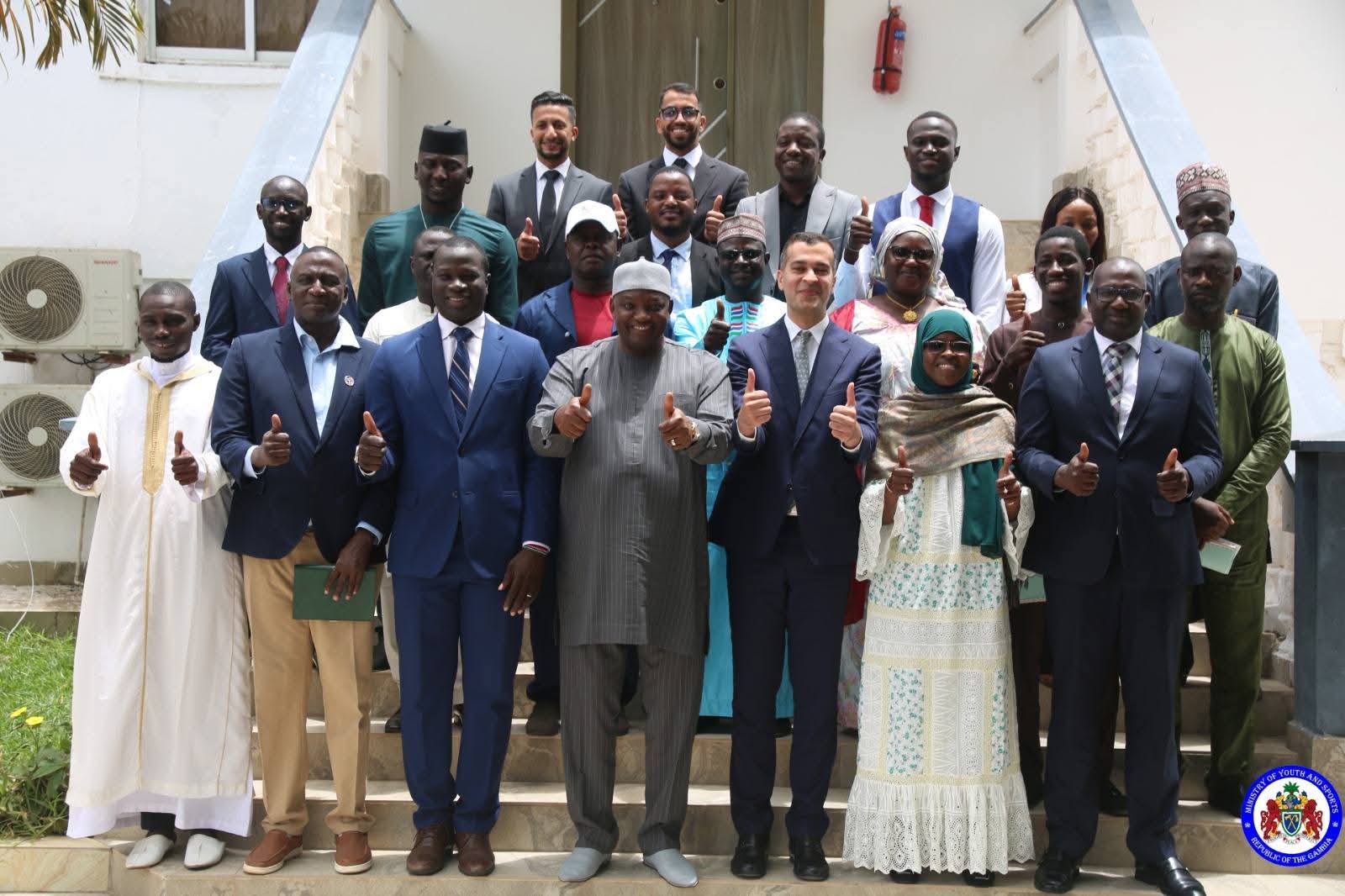
The President, His Excellency Adama Barrow, on Tuesday received Mohamed Amine Zariat, President of Tibu Africa, at the State House. Tibu Africa is a Morocco-based sports organisation specialising in sports education, empowerment, and socio-economic inclusion of youth, women, and children across Africa. Mr Zariat launched the first Tibu in The Gambia, marking the first in Anglophone Africa.The President of Tibu Africa, Muhammed Amin Zariat, was accompanied to the State House by the Minister of Youth and Sports, Bakary Y. Badjie, and the Tibu country representative, Ebrima Manneh.Speaking to journalists after their audience with President Barrow, Mr Zariat disclosed that Tibu Africa was founded in 2011 to promote sports education and empower women and youths.Mr Zariat added that Tibu Africa plans to expand its activities in The Gambia, targeting schools across the country to give young people opportunities to pursue careers in sports education.The Tibu Africa President also praised the Gambia-Morocco friendship, which inspired this partnership, and expressed particular thanks to King Mohammed VI and President Barrow for their patronage.To further strengthen this partnership, Mr Zariat announced plans to establish a basketball court in The Gambia in December. He also extended an invitation to the President to attend the next Education Through Sport summit, to be held in Casablanca next year, where The Gambia will be the guest country.Finally, Mr Zariat expressed hope that The Gambia will qualify for the 2030 World Cup, which will be co-hosted by Morocco.
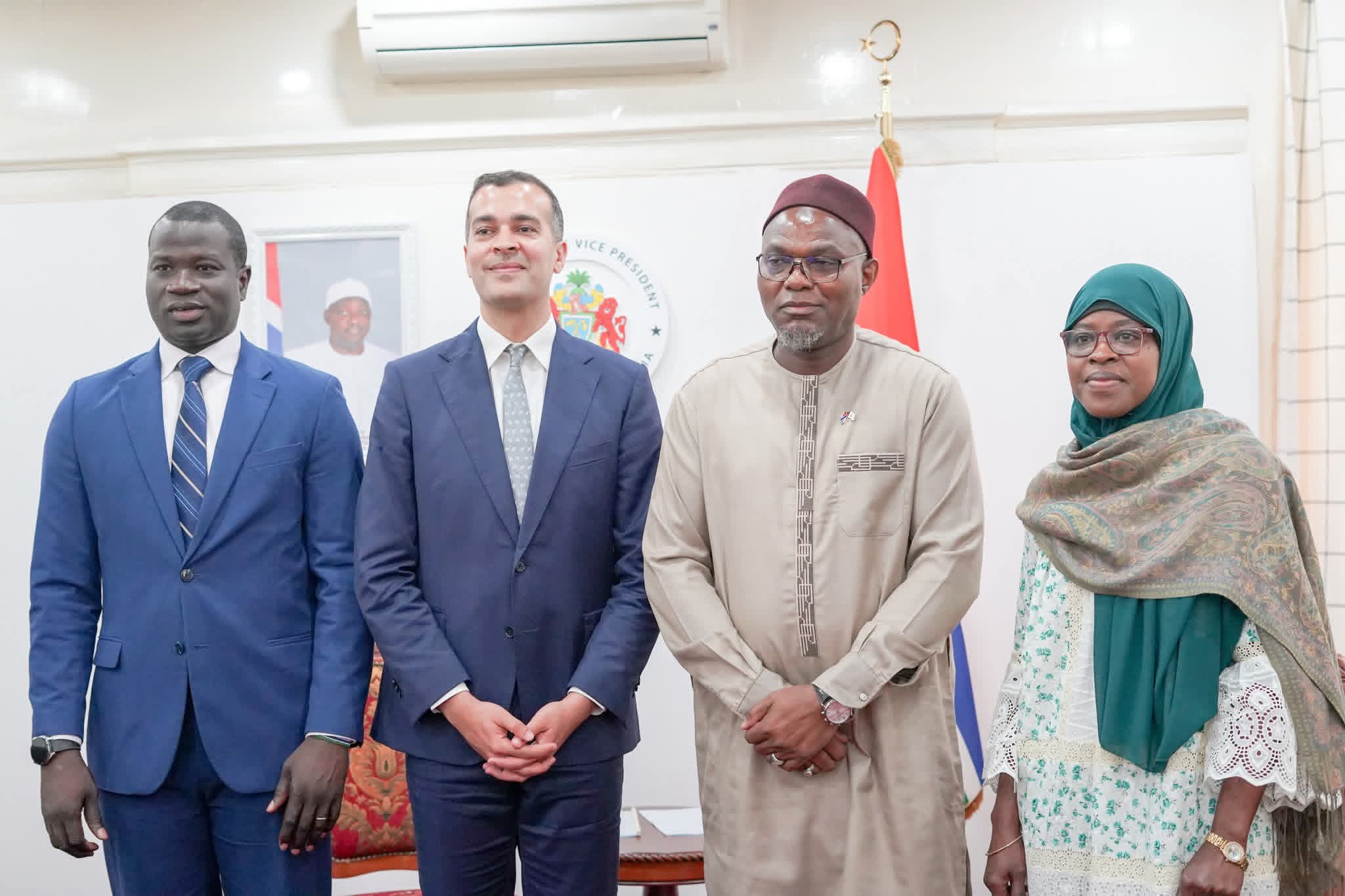
The Vice President, His Excellency Mohammed B.S. Jallow, has presided over the signing of a cooperation agreement between Tibu Africa from the Kingdom of Morocco and the Ministries of Basic and Secondary Education, Youth and Sports at the State House in Banjul. This agreement aims to support the national development agenda, especially in youth empowerment, education transformation, sports development, and international collaboration. The delegation from Tibu Africa accompanied by Bakary Y. Badjie the Minister of Youth and Sports, and Dr Habibatou Drammeh the Minister for Basic and Secondary Education, went to the Vice President's office to formally introduce their initiatives in The Gambia.Following an in-depth discussion with VP Jallow regarding the programme, the approach to implementation, and its potential impact on the country, the president of Tibu Africa Mohamed Amine Zariat, proceeded to sign agreements with the Ministry of Basic and Secondary Education and the Ministry of Youth and Sports.These agreements, reaffirming the Government’s strong commitment to investing in Gambian youth development and empowerment, through strategic international partnerships, also form part of broader efforts to expand opportunities for Gambian youth in sport and education, as highlighted by Tibu Africa's President, Mohamed Amine Zariat.This partnership also aims to incorporate sports into national development policies. Youth and Sports Minister Bakary Y Badjie described the arrival of Tibu Africa in The Gambia as a “significant advantage.”The Gambia is poised to become the first English-speaking country to benefit from Tibu Africa's intervention and partnership programmes, marking a significant milestone in the organisation’s expansion within the African continent.Basic and Secondary Education Minister, Dr Habibatou Drammeh said the government, through her ministry, is “fully committed to the agreement with Tibu Africa.”This programme targets all “642 public primary schools across the country.” A similar agreement is expected to be signed between Tibu Africa and the Ministry of Interior.Tibu Africa is internationally recognised for its innovative use of sports as a catalyst for sustainable social transformation, youth empowerment, educational advancement, and community development. The organisation operates in more than fifty-two cities across the twelve regions of Morocco and has expanded its interventions to several African countries, including Tunisia, Senegal, Côte d’Ivoire, Cameroon, and Madagascar.

The Gambia Revenue Authority (GRA) has significantly improved its performance over the last five years, thanks to good management, strong leadership, and new ideas. Their revenue has increased from D12.7 billion in 2021 to an impressive D25.3 billion in 2025. This success has come from the efforts of Commissioner General Yankuba Darboe and his team, who transformed an authority that used to struggle to meet its goals.The 2026 GRA awards celebrate the biggest and most compliant taxpayers of the year. They also highlight the GRA as an institution that consistently exceeds expectations.Yankuba Darboe has been leading the GRA since 2014, six years after it was created by combining the central revenue department with the customs and excise departments. His leadership has brought about changes that have greatly improved how revenue is collected and taxed in The Gambia.With a dedicated team and support from a government focused on development, Mr Darboe started reforms that doubled and even tripled revenue in a short time. This earned him praise from the government and his colleagues.President H.E. Adama Barrow has been inspired by Darboe’s achievements and has attended every taxpayer award night to recognise and appreciate his leadership and contributions.Colleagues at the GRA also admire Darboe for his leadership skills, passion for success, and commitment to exceeding targets.Despite this success, Mr Darboe remains humble and sees these achievements as motivation to keep improving. He believes in always finding new opportunities and welcoming innovations, without creating more pressure on taxpayers. His main goal is to expand the tax base, rather than raise tax rates for the people.As they celebrate another successful year, the GRA leadership and team are confident in their ability to continue meeting and exceeding targets, supported by new technologies and systems. The future looks bright for them.




Leave A Comment
Your email address will not be published. Required fields are marked *